
Ask any maintenance engineer what keeps them up at night, and worn motor components will likely feature high on the list. A motor can run for months without any obvious sign of trouble, quietly masking small mechanical issues that build up beneath the surface until one day, without warning, everything stops.
This gradual, hidden wear is precisely why so many breakdowns catch teams off guard. Having a good understanding of common failure points, and keeping a dependable supply of electric motor spare parts within reach, allows small problems to be sorted out long before they turn into expensive downtime.
Here are five components worth keeping a close eye on, along with tips for catching issues early.
1. Bearings
Bearings are arguably the hardest-working, and least appreciated, parts of any electric motor. They allow the rotor to spin freely while supporting its weight and absorbing radial and axial loads. Because they are constantly in motion, bearings naturally degrade over time, particularly when exposed to heat, moisture, or inadequate lubrication.
Warning signs include a grinding or whining noise, excessive vibration, or the motor casing feeling unusually warm to the touch. Left unchecked, worn bearings can cause the rotor to misalign, damaging the windings and other internal parts. Routine lubrication and periodic vibration analysis go a long way towards extending bearing life, but eventually, replacement becomes unavoidable.
2. Brushes and Commutators
For motors that rely on brushes (typically DC motors), these small carbon components conduct electricity to the rotating commutator. Because they are in constant physical contact with a moving part, brushes wear down gradually through friction, much like the pads on a car’s braking system.
Signs of trouble include sparking, unusual noise, or a drop in motor performance. Some engineers refer to worn brushes and commutators as among the silent killers of industrial motors, since the deterioration often goes unnoticed until output has already been affected. Fortunately, brushes are relatively inexpensive and straightforward to replace, provided the issue is caught before the commutator itself sustains damage.
3. Windings and Insulation
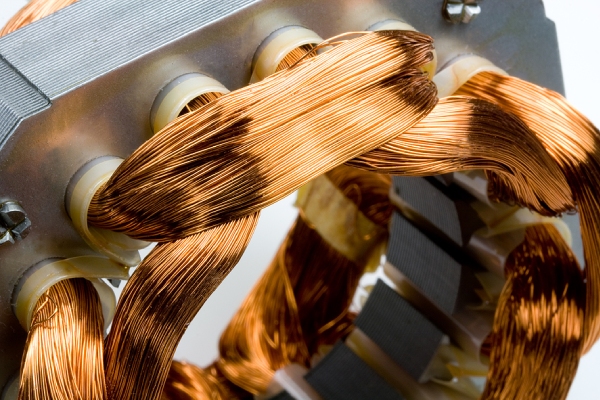
The copper windings inside a motor generate the magnetic field needed for rotation, while the insulation around them prevents short circuits. Over time, insulation can break down due to heat, moisture ingress, or electrical surges, leading to reduced efficiency or, in more serious cases, complete motor failure.
Common indicators include a burning smell, discolouration on the windings, or the motor tripping circuit breakers unexpectedly. Rewinding a motor is a specialist task and, depending on the extent of the damage, sometimes proves more economical than sourcing a replacement unit altogether. Either way, catching insulation breakdown early can prevent a much larger repair bill later on.
4. Cooling Fans
It might seem like a minor component, but the cooling fan plays an outsized role in keeping a motor’s internal temperature within safe limits. Fans are typically mounted on the motor shaft and can accumulate dust, debris, or damage over years of continuous operation, particularly in dusty industrial environments.
A damaged or clogged fan reduces airflow, causing the motor to run hotter than it should. This, in turn, accelerates wear on bearings, windings, and insulation, creating a knock-on effect throughout the entire unit. Here’s a simple table outlining what to check during routine fan inspections:
| Inspection Point | What to Look For |
| Blades | Cracks, chips, or bent edges |
| Airflow | Reduced or uneven air movement |
| Dust build-up | Accumulated debris blocking vents |
| Mounting | Looseness or vibration |
| Noise | Rattling or scraping sounds |
Replacing a fan is generally a quick and affordable fix, but it should never be delayed once problems are spotted.
5. Seals and Gaskets
Seals and gaskets protect a motor’s internal components from dust, moisture, and contaminants entering from outside. In environments with high humidity or exposure to chemicals, these parts naturally degrade faster, losing their ability to form a tight barrier.
Once a seal fails, moisture can seep into the motor housing, leading to corrosion, insulation breakdown, or electrical faults. Regular visual inspections, especially in motors operating in harsh conditions, help catch worn seals before they compromise the rest of the unit. Replacing them promptly is one of the simplest ways to protect a much larger investment.
Why Regular Maintenance Pays Off
Many of the issues above share a common thread: small, gradual wear that eventually leads to larger, costlier problems if ignored. A motor rarely fails without warning. Instead, it usually gives off subtle signals, a slightly louder hum, a touch more heat, a faint vibration, that get overlooked amid the daily rush of operations.
Building a simple maintenance schedule, even something as basic as monthly visual inspections and annual vibration testing, can catch most of these issues long before they escalate. Keeping a small stock of commonly needed components also means repairs can happen quickly, without waiting days for parts to arrive while production sits idle.
Getting the Right Support
Sourcing genuine, quality components isn’t always straightforward, particularly for older or less common motor models. Working with a supplier who understands the specific requirements of your equipment, and who can advise on what’s actually needed rather than pushing unnecessary replacements, makes the whole process considerably less stressful.
Bearings, brushes, windings, fans, and seals may seem like small details in the grand scheme of an industrial operation, but each one plays a role in keeping motors running smoothly and safely. A little attention paid to these components regularly can spare a business from unplanned downtime, expensive emergency repairs, and the frustration that comes with unexpected equipment failure.
If your facility is due for a motor check-up or you’re searching for reliable parts and expert guidance, MES is on hand to help keep your equipment in top condition. Contact us to discuss your motor maintenance needs today.

Linkedin Profile 