
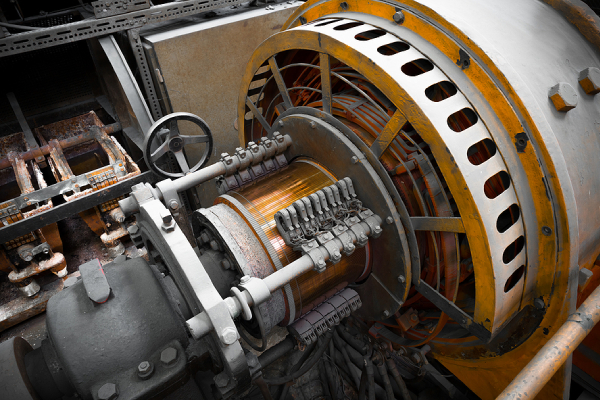
Losing power for even a few minutes can throw a business into chaos. Servers go down, production lines stop, and in healthcare or hospitality settings, the consequences can be far more serious than a few unhappy customers. This is why so many building owners and facilities managers across Singapore are turning their attention to backup power, and why choosing the right team for an electric generator installation makes such a difference.
An electric generator installation project involves far more than delivering a unit and switching it on. Site assessment, correct sizing, cabling, control systems and regulatory sign-off all need to come together before a generator is ready to carry a building’s critical load. Understanding what the process actually looks like, and what to expect at each stage, helps facilities managers plan properly and avoid surprises along the way.
What a Generator Installation Project Involves
A typical project starts with a site survey and load assessment, where engineers work out the building’s power demand and recommend a generator suited to the load, such as a standby unit for occasional outages or a continuous-duty system for round-the-clock operations. From there, the scope usually covers:
- Generator sizing and selection based on connected load and future capacity
- Design of the electrical connection, including automatic transfer switches and control panels
- Fuel system design, from day tanks to bulk storage where needed
- Civil works such as acoustic enclosures, bunding and ventilation
- Submission and approval with the relevant authorities before commissioning
- Commissioning checks, including vibration analysis, to confirm the system is running smoothly before handover
Each of these stages needs coordination between electrical engineers, civil contractors and the building owner. Delivery lead times for the generator unit itself also need to be factored into the schedule early, since larger custom units can take several weeks to arrive on site. Projects handled by a single experienced team, rather than split across several vendors, tend to run more smoothly because design, civil works and commissioning are planned as one continuous process rather than handed off piece by piece.
How Long Does Installation Take
Timelines vary depending on generator size, site conditions and how quickly regulatory approvals come through, but most commercial installations run from a few weeks to a few months from initial site survey to final commissioning. Smaller standby units for offices or retail units can often be completed faster, while larger systems for hospitals, data centres or industrial plants take longer because of the additional cabling, fuel infrastructure and testing involved. Existing buildings with limited access, tight plant rooms or older switchboards that need upgrading typically add extra time to the schedule, so a proper site assessment at the outset gives a far more accurate timeline than a generic estimate.
Does Installation Require a Facility Shutdown
This is one of the most common questions building owners ask, and the answer depends on the existing electrical setup. In many cases, the bulk of the installation work, including civil works, cabling and fuel system installation, can be carried out without interrupting the building’s power supply. A shutdown is usually only needed for the final connection into the switchboard and the load transfer testing, and experienced contractors will plan this for off-peak hours or a scheduled maintenance window to minimise disruption.
Discussing this early with the installation team allows any shutdown to be scheduled around business operations rather than the other way round. For buildings that cannot tolerate any downtime at all, such as hospitals or data centres, temporary generators can sometimes be brought in to maintain power while the permanent installation is completed.
Testing and Commissioning After Installation
Once the generator is physically installed, it still needs to prove it can do the job it was designed for. Commissioning typically includes load bank testing to confirm the generator performs correctly under real demand, automatic start and transfer testing to check how quickly the system responds to a mains failure, and verification of fuel systems, alarms and monitoring equipment. For buildings with fire safety obligations, this stage also confirms that the generator meets the response times required for pumps, lifts and emergency lighting. Vibration analysis at this stage also helps catch alignment or bearing issues early, well before they turn into a breakdown during an actual outage. Proper commissioning gives building owners documented proof that the system works as intended, not just on paper but under real load.
Regulatory Considerations at a Glance
Several authorities have a say in how a generator installation is carried out:
- Energy Market Authority (EMA) — requires installation approval for generators above 45 kVA, carried out by a Licensed Electrical Worker or Licensed Electrical Engineer
- Singapore Civil Defence Force (SCDF) — sets requirements for buildings that rely on generators to power fire safety systems, along with rules for fuel storage above 30 litres
- National Environment Agency (NEA) — covers emissions and noise from diesel generators
- Ministry of Manpower (MOM) — governs workplace safety around fuel and electrical hazards on site
Navigating these requirements alongside the physical build is part of the reason most building owners bring in a specialist team rather than managing the project themselves.
How MES Supports You Through the Process
MES works with building owners from the initial site assessment through to long-term maintenance, handling generator sizing, electrical design, civil works coordination and liaison with EMA, SCDF and other authorities under one roof. This means fewer handoffs between vendors, clearer timelines and a single point of contact if something needs adjusting mid-project. Our engineers plan shutdown windows around each building’s operating hours, coordinate commissioning and testing on site, and hand over full documentation once the system passes inspection.
Beyond installation, MES also supports ongoing servicing, load testing and spare parts sourcing, so building owners have a generator that stays reliable and compliant well beyond the installation date. With years of experience across Singapore’s residential, commercial and industrial buildings, the team is familiar with the practical challenges each site type brings, from tight plant rooms in older buildings to the higher redundancy expected in critical facilities.
Conclusion
Every building has different power needs, occupancy types and physical constraints, and a generator system that suits a data centre will look very different from one designed for a residential tower or a manufacturing plant. If your building is due for a new generator system or an upgrade to an existing one, it helps to speak with a team that handles this daily. Contact us today to discuss what your business needs.

Linkedin Profile 