
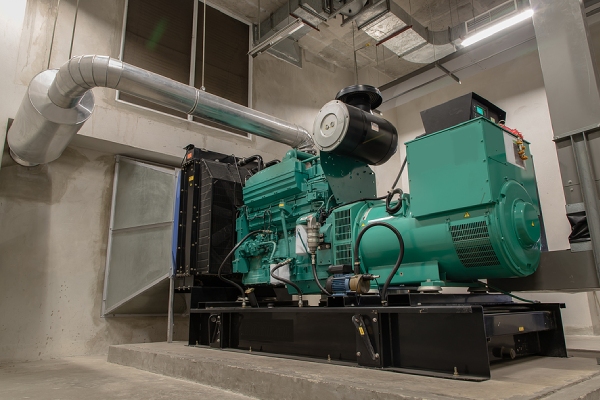
Power cuts do not send a warning text before they happen. One moment your office, clinic, or factory floor is running as usual, and the next everything goes dark. For businesses across Singapore, that kind of disruption can mean lost data, spoiled stock, halted production lines, or an unhappy client sitting in a meeting room with no air conditioning. This is why so many building owners and facility managers are turning to Cummins generators, a name long associated with dependable backup power.
Getting a generator delivered to site is only half the story though. The other half, and arguably the more important one, is the installation itself. A poorly installed generator can underperform, trip unexpectedly, or fail entirely when you need it most. This guide walks through what a proper Cummins generator installation actually involves, so you know what to expect and what questions to ask before signing off on any project.
Why Cummins Generators Are a Popular Choice
Cummins has built a reputation in Singapore across sectors including healthcare, hospitality, manufacturing, and data centres. The appeal usually comes down to a few practical points:
- Wide range of capacities, from small standby units to industrial-scale generators
- Fuel efficiency that keeps running costs manageable over the long term
- Strong after-sales support network, with parts and servicing readily available locally
- Proven reliability in Singapore’s hot and humid climate
For many facility managers, choosing the generator brand is the easy part. Choosing the installer, and getting the installation right, tends to be where the real decisions happen.
Site Assessment Comes First
Before any Cummins generator installation begins, a thorough site assessment should take place. This involves checking the available space, ventilation requirements, noise regulations in the surrounding area, and the electrical load the generator will need to support. Singapore’s dense urban environment means space is often limited, so installers need to work out how to fit the unit, its enclosure, and its fuel storage without breaching setback requirements or annoying the neighbours.
Load calculations matter here too. An undersized generator will strain under pressure and may shut down during a power outage, which defeats the entire purpose of having one. An oversized unit, on the other hand, wastes money and fuel. Getting this sizing correct is one of the core functions of generator maintenance planning, and it starts well before the generator is switched on for the first time.
The Installation Process, Step by Step
While every site is different, most Cummins generator installations in Singapore follow a similar sequence:
1. Foundation preparation: A stable, level base is built to support the weight of the generator and reduce vibration during operation.
2. Positioning and mounting: The unit is carefully placed, taking into account airflow, exhaust direction, and access for future servicing.
3. Fuel system connection: Fuel tanks and supply lines are installed and tested for leaks, following local fire safety codes.
4. Electrical connections: The generator is wired into the building’s automatic transfer switch (ATS), which detects power failures and switches supply seamlessly.
5. Exhaust and ventilation setup: Proper venting prevents heat build-up and ensures exhaust gases are directed safely away from occupied areas.
6. Testing and commissioning: The generator is run through load tests to confirm it starts correctly, handles the expected load, and switches over without delay.
Skipping or rushing any of these steps tends to cause problems later, often at the worst possible time.
Regulatory Requirements in Singapore
Generator installations here are not a simple plug-and-play affair. Depending on the size and location of the unit, approvals may be needed from the Building and Construction Authority (BCA), the National Environment Agency (NEA) for noise and emissions, and the Singapore Civil Defence Force (SCDF) for fuel storage safety. A reputable installer should be familiar with these requirements and handle the paperwork as part of the project, rather than leaving it for the client to sort out afterwards.
Common Mistakes to Avoid
A few recurring issues tend to show up in generator installations that were not planned with enough care:
| Mistake | Consequence |
| Incorrect sizing | Generator fails under load or wastes fuel |
| Poor ventilation | Overheating and reduced lifespan |
| Weak foundation | Excessive vibration and mechanical wear |
| Skipping load testing | Failures discovered only during an actual outage |
| Ignoring noise regulations | Complaints, fines, or forced relocation |
Working with an experienced installer helps avoid these pitfalls, since they will have seen similar setups before and know what tends to go wrong.
Maintenance After Installation
Installing the generator is not the finish line. Regular servicing keeps the unit ready for the moment it is actually needed, and this includes oil changes, battery checks, fuel quality testing, and periodic load runs to confirm everything still works as expected. Many building owners set up a maintenance schedule at the same time the installation is arranged, which saves the hassle of finding a contractor later on.
Facility managers in Singapore often find that generators sit unused for long stretches, only to be called upon during a storm or grid fault. Without upkeep during those quiet periods, a generator can fail exactly when it matters most, so building maintenance into the plan from day one is a sensible habit rather than an afterthought.
Choosing the Right Installer
Not every contractor offering generator services has the same depth of experience with Cummins units specifically. When comparing installers, it helps to ask about:
- Their track record with similar-sized projects in Singapore
- Familiarity with BCA, NEA, and SCDF requirements
- Availability of ongoing maintenance and emergency support
- Access to genuine Cummins parts and factory-trained technicians
A generator is a long-term investment, and the installer you choose plays a large role in how well that investment holds up over the years.
Final Thoughts
A Cummins generator can give a building genuine peace of mind, but only when it has been installed properly from the start. Site assessment, correct sizing, careful wiring into the transfer switch, and thorough testing all play a part in making sure the unit performs when it counts. Cutting corners at any stage tends to surface as a problem later, usually during the exact moment the generator was meant to save the day.
If you are planning a generator installation for your building or facility, working with a team that understands both the technical requirements and Singapore’s regulatory landscape makes the process considerably smoother. MES has extensive experience supporting businesses across Singapore with generator installation and electrical engineering projects. Contact us to discuss your requirements and find the right solution for your site.

Linkedin Profile 