
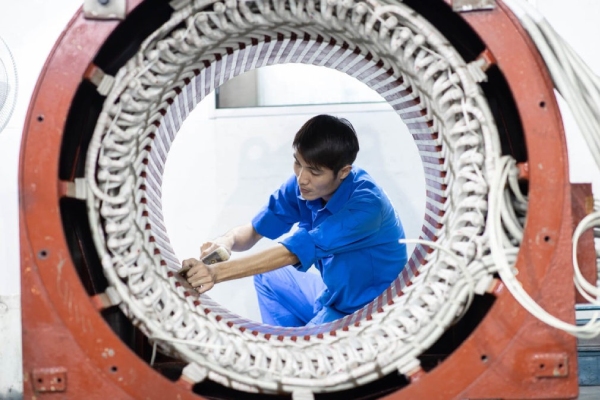
A generator sitting quietly in the plant room is easy to forget about, right up until the moment it refuses to start. For many businesses in Singapore, from hospitals and data centres to manufacturing plants and shopping malls, a generator is the difference between staying operational and grinding to a halt during a power outage. Yet because it only truly earns its keep during an emergency, maintenance often slips down the priority list until something goes wrong.
That gap between “should get around to it” and “actually scheduling it” is where costly breakdowns tend to happen. A generator that hasn’t been properly serviced can fail exactly when it’s needed most, leaving businesses exposed to downtime, lost revenue, and in some cases, safety risks. The good news is that most of these failures are preventable with a consistent, well-planned maintenance routine.
Why Generators Need More Attention Than People Think
Generators are built to be reliable, but reliability isn’t automatic. These machines have moving parts, fuel systems, batteries, and electrical components that all degrade over time, especially if the unit spends long stretches sitting idle. A generator that hasn’t run in months can develop stale fuel, corroded connections, or a flat battery without anyone noticing until it’s called into action.
Singapore’s climate adds another layer of complexity. High humidity accelerates corrosion, while heat can affect battery performance and put extra strain on cooling systems. Generators here also tend to work harder during the wetter months when power outages are more frequent, which makes regular servicing even more important.
What Timely Maintenance Actually Involves
Generator maintenance isn’t a single task but a series of smaller checks and services carried out at different intervals. A typical maintenance schedule might include:
- Weekly or monthly visual inspections for leaks, corrosion, or loose connections
- Regular oil and filter changes to keep the engine running cleanly
- Battery testing to confirm the generator can actually start when needed
- Load bank testing to verify the unit performs under real operating conditions
- Fuel system checks to catch contamination or degradation early
- Cooling system inspections to prevent overheating during extended runs
Beyond these routine checks, generators periodically need more intensive work. This is where generator overhauling comes in. An overhaul goes deeper than a standard service, involving a thorough inspection and, where necessary, replacement of major components such as pistons, bearings, and seals. It’s typically carried out after a certain number of running hours or years in service, and it’s what keeps an ageing generator performing like a much newer one.
Skipping this level of care doesn’t save money in the long run. It usually just delays a much larger repair bill, and in the worst cases, a full generator replacement.
The Real Cost of Reactive Maintenance
Many businesses only think about their generator when it fails to start during an actual outage. By then, the options are limited and expensive. Emergency repairs typically cost more than scheduled servicing, partly because of urgent labour rates and partly because a small issue left unattended often causes damage to surrounding components.
There’s also the cost of downtime itself. A hospital without backup power during surgery, a data centre losing access to servers, or a factory halting production mid-shift all face consequences that go well beyond the repair invoice. Reputational damage and lost business can outweigh the actual maintenance cost many times over.
Consider a simple comparison:
| Approach | Typical Cost Driver | Risk Level |
| Scheduled maintenance | Planned service fees, parts as needed | Low |
| Reactive repair | Emergency callout, rushed parts sourcing | Medium to High |
| Full breakdown or replacement | New equipment, extended downtime | High |
The pattern is clear. Prevention tends to be the cheaper and calmer path.
Building a Maintenance Plan That Actually Works
A good maintenance plan starts with understanding the specific generator, its age, usage pattern, and manufacturer recommendations. Businesses in Singapore also need to factor in local conditions, including installation requirements in Singapore, when planning how a generator is set up and maintained over its lifespan.
From there, it helps to work with a provider who can offer a structured schedule instead of one-off visits here and there. Consistency is what makes maintenance effective. A generator serviced sporadically, even if each individual visit is thorough, doesn’t build the same reliability as one that’s checked and cared for on a set rhythm.
Keeping proper records of every service, test, and repair also makes a real difference. These records help track patterns over time, flag recurring issues before they escalate, and make it easier to plan for larger jobs like an overhaul well in advance rather than reacting to a sudden failure.
Signs a Generator Needs Attention Sooner Rather Than Later
Some warning signs are easy to miss if nobody’s actively watching for them. A generator that takes longer to start than usual, produces unusual noises, or shows fluctuating output during testing is signalling that something needs a closer look. Visible fuel or oil leaks, frequent alarm triggers, and battery issues are other common red flags.
Catching these early usually means a straightforward fix. Ignoring them tends to mean a bigger, more disruptive problem down the line, often at the worst possible time. It also helps to involve staff who work near the generator day to day, since they’re often the first to notice a change in sound, smell, or vibration that a scheduled inspection might not catch straight away.
A quick monthly walkthrough by someone familiar with the equipment can go a long way. Pair that with the formal servicing schedule and most issues get flagged well before they become urgent.
Keeping the Backup Reliable
A generator’s whole purpose is to be there when everything else fails. That only works if the generator itself has been looked after consistently, not just switched on and hoped for the best. Regular servicing, proper testing, and timely overhauls all play a part in making sure the backup power system actually does its job when the moment comes.
Businesses that treat generator maintenance as a routine part of operations, rather than an afterthought, tend to face fewer surprises and lower overall costs. If your generator hasn’t had a proper check in a while, or you’re planning ahead for its next overhaul, MES can help keep it running the way it should. Contact the team at MES to arrange a maintenance assessment for your generator today.

Linkedin Profile 