
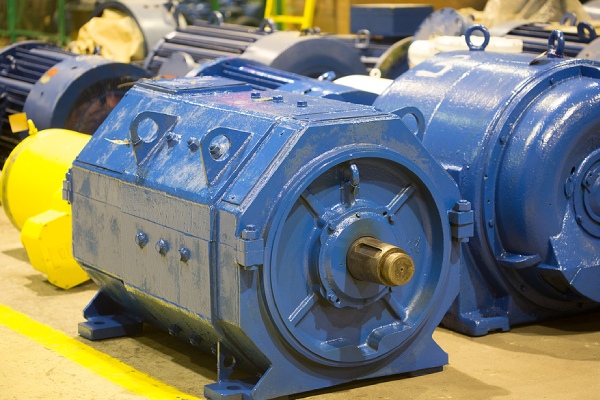
Electric motors are the workhorses of modern industry. They run conveyor belts, power pumps, drive compressors, and keep production lines moving day and night. Most of the time, they do all of this without complaint. But like any piece of machinery that works hard over a long period, they eventually reach a point where routine maintenance is no longer enough.
Knowing when your motor has crossed that threshold, from “needs a service” to “needs an overhaul,” can save your operation significant time and money. Miss the signs, and you risk an unexpected breakdown at the worst possible moment. Catch them early, and you stay in control.
Here is what to watch for.
The Motor Is Running Hotter Than Usual
Heat is one of the earliest and most telling signs that something is wrong inside a motor. All motors generate heat during operation, but there is a normal range for every unit. When a motor starts running consistently above that range, it is a signal worth taking seriously.
Excessive heat is commonly caused by winding insulation that has degraded over time, bearing failure, or a motor that is being pushed beyond its rated load. In each case, the underlying issue will not resolve itself. Left unchecked, overheating accelerates wear, degrades insulation further, and can lead to a complete winding failure.
If your motor feels unusually hot to the touch, or if thermal imaging reveals hotspots that were not there before, it is time to consider electric motor overhauling rather than a quick patch.
You Are Noticing Unusual Noise or Vibration
A healthy motor runs smoothly and quietly. When you start hearing grinding, clicking, humming, or any sound that was not there before, pay attention. Similarly, increased vibration, whether felt through the housing or measured with a vibration analyser, points to mechanical problems developing inside.
Common culprits include:
- Worn or contaminated bearings
- A rotor that is out of balance
- Loose components inside the motor casing
- Misalignment between the motor and the driven load
None of these issues tend to stay minor. Vibration accelerates bearing wear, which in turn causes more vibration, and the cycle continues until something fails. If basic preventive maintenance has already been carried out and the noise or vibration persists, an overhaul is likely the next logical step.
Insulation Resistance Has Dropped
This one requires testing equipment, but it is one of the most reliable indicators of motor health. Insulation resistance testing, typically done with a megohmmeter, measures how well the winding insulation is holding up.
Over time, insulation degrades due to heat, moisture, contamination, and simple age. When resistance readings fall below acceptable levels, it means the insulation can no longer reliably prevent current from leaking where it should not. This puts the motor at risk of a winding fault or short circuit.
A single low reading does not always mean immediate disaster, but a consistent downward trend in insulation resistance is a clear sign that the motor needs to be stripped down and assessed properly.
The Motor Is Tripping Frequently
If your motor is regularly tripping its overload protection or blowing fuses, something is drawing more current than it should. This could be a mechanical issue causing the motor to work harder than intended, or it could be an internal electrical fault.
Either way, frequent tripping is not normal operation, and resetting the breaker each time is not a solution. It is worth carrying out a proper current draw test and comparing the results against the motor’s nameplate rating. If the motor is consistently drawing significantly more than its rated current, that points towards internal problems that warrant a full inspection.
Performance Has Noticeably Declined
Sometimes the signs are less dramatic but just as important. A motor that used to run efficiently now struggles to maintain speed under load. A pump driven by the motor delivers less pressure than it once did. A conveyor runs sluggishly.
When performance deteriorates without a clear external cause, such as a change in load or supply voltage issues, the problem is usually inside the motor itself. Worn windings, bearing friction, and rotor deterioration all rob a motor of its efficiency over time.
Running an inefficient motor is also an unnecessary cost. A motor in poor condition consumes more electricity to deliver the same output, which adds up quickly in a continuous operation environment.
The Motor Has High Hours or Is Approaching End of Design Life
Even a motor that appears to be running fine will benefit from a scheduled overhaul once it has accumulated significant operating hours or reached the age range where wear becomes statistically more likely.
Most industrial motors are designed for a long service life, but that life is not indefinite. High-hour motors carry a greater risk of sudden failure simply because internal components have been under load for a long time. If your motor has been in service for many years without a major inspection, an overhaul gives you the opportunity to replace worn components before they fail, rather than after.
What an Overhaul Actually Involves
When a motor goes in for an overhaul, the process typically includes:
- Complete disassembly and inspection of all components
- Cleaning and testing of windings
- Rewinding if insulation has failed or is close to failing
- Replacement of bearings and seals
- Balancing of the rotor
- Reassembly, testing, and verification against original specifications
A properly overhauled motor should return to full performance and provide many more years of reliable service. It is a far more economical option than replacing the motor outright in many cases, particularly for larger industrial units where replacement costs are significant.
Conclusion
Your electric motors work hard, and they will tell you when they need attention if you know what to look for. Unusual heat, noise, vibration, declining performance, dropping insulation resistance, and frequent trips are all signals that should prompt a closer look. Catching these signs early gives you the opportunity to plan the work around your schedule rather than scrambling in response to an unexpected failure.

Linkedin Profile 