
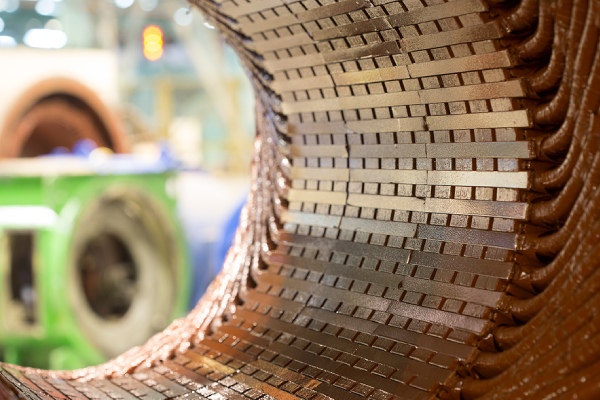
There is a quiet but meaningful shift happening on factory floors and in industrial facilities across the world. Manufacturers are under growing pressure to reduce waste, cut energy consumption, and make smarter decisions about the equipment they rely on every day. And one of the most practical ways they are doing this might surprise you: instead of throwing away faulty electric motors, they are repairing and reusing them.
Motor rewinding is not a new concept, but its relevance to modern green manufacturing has never been greater. As businesses look for ways to align with sustainability goals without sacrificing productivity, this well-established repair practice is getting a well-deserved second look.
What Is Motor Rewinding, Exactly?
At its core, motor rewinding involves removing the damaged or degraded copper windings inside an electric motor and replacing them with fresh ones. Over time, the insulation around these windings breaks down due to heat, moisture, contamination, or simply years of continuous use. When that happens, the motor loses efficiency, runs hot, or fails altogether.
The process of electrical motor rewinding restores the motor to a functional and often near-original condition. A skilled technician will strip out the old coils, clean the stator, wind new copper coils to the correct specifications, reinsulate them, and test the finished motor before it goes back into service. Done properly, a rewound motor can perform just as reliably as a new one, sometimes for many years.
This is also where the importance of documentation comes in: keeping accurate records of the original winding specifications, repair history, and test results ensures the motor is rebuilt to the right standard and makes future servicing far more straightforward.
Why Rewinding Supports Greener Manufacturing
The environmental case for motor rewinding is straightforward once you consider what goes into making a new electric motor. Manufacturing a replacement motor requires raw materials including copper, steel, and aluminium, plus the energy needed to process and assemble them. There is also the matter of disposing of the old motor, which, if not handled responsibly, adds to landfill or requires energy-intensive recycling processes.
Rewinding sidesteps much of this. By extending the working life of an existing motor, businesses reduce demand for new manufacturing and keep usable materials out of the waste stream. It is a genuine example of the circular economy in action, where a product is repaired and kept in use rather than discarded at the first sign of trouble.
Beyond the environmental benefits, there are practical advantages worth considering:
- Lower resource consumption: Rewinding uses significantly less copper and steel than manufacturing a new motor from scratch.
- Reduced carbon footprint: The energy required to rewind a motor is a fraction of what is needed to produce a new one.
- Less industrial waste: Fewer motors going to landfill or scrap means a lighter environmental footprint for the facility.
- Extended asset life: Businesses get more value from capital equipment they have already invested in.
The Energy Efficiency Question
One concern that sometimes arises around motor rewinding is whether a repaired motor can match the energy efficiency of a brand-new one. It is a fair question. Poorly executed rewinding can in fact reduce efficiency, particularly if the wrong wire gauge is used or if the stator laminations are damaged during the stripping process.
This is why the quality of the rewinding work matters enormously. A reputable motor repair specialist will use winding data that matches the original design, apply modern insulation materials, and run tests after the repair to verify performance. When rewinding is carried out to a proper standard, the efficiency loss is minimal and well within acceptable limits for continued industrial use.
In many cases, rewinding also offers an opportunity to upgrade insulation to a higher class, which can improve the motor’s tolerance to heat and extend its operating life further. It is not simply a case of restoring the old; it can be a chance to make modest but meaningful improvements along the way.
Where Motor Rewinding Fits in a Broader Sustainability Strategy
For manufacturers serious about sustainability, motor rewinding fits naturally into a wider maintenance and repair philosophy. Electric motors are among the largest consumers of electricity in any industrial facility. Keeping them in good condition, rather than running them to failure and then replacing them, is one of the most effective ways to manage energy consumption and reduce operational costs simultaneously.
When paired with regular condition monitoring and predictive maintenance practices, motor rewinding becomes part of a proactive approach to asset management. Facilities that track motor health, catch problems early, and schedule repairs before failure occurs tend to experience less unplanned downtime, lower energy bills, and a smaller overall environmental impact.
This kind of thinking is also increasingly valued by customers, investors, and regulatory bodies. Sustainability reporting is now a normal part of doing business for many manufacturers, and being able to point to concrete practices like motor repair programmes adds substance to those reports.
A Small Decision With a Larger Impact
It is easy to underestimate the impact of individual maintenance decisions, especially in large facilities where dozens or hundreds of motors may be running at any given time. But those decisions add up. Choosing to rewind rather than replace, year after year, across an entire fleet of motors, represents a meaningful reduction in materials consumed, energy spent on manufacturing, and waste generated.
For facility managers and engineers, this is a refreshingly practical form of sustainability. It does not require a complete overhaul of operations or significant capital investment. It simply requires choosing a repair-first mindset and working with service providers who have the skills and standards to back it up.
Green manufacturing does not always mean cutting-edge technology or ambitious new infrastructure. Sometimes, it means making the sensible, considered choice with equipment you already have.
Speak to the Experts at MES
If your facility relies on electric motors and you want to explore how professional motor rewinding can support both your operational and sustainability goals, MES is ready to help. With deep expertise in motor repair and a commitment to quality workmanship, MES works with businesses across a range of industries to keep critical equipment running efficiently and responsibly.

Linkedin Profile 