
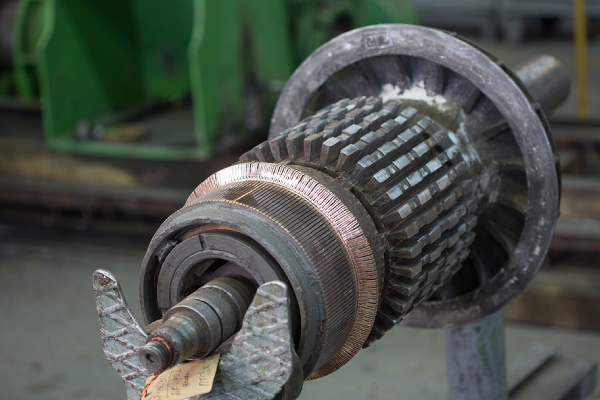
Getting your motor ready before it heads off for repair might seem like an unnecessary extra step, but it can make a real difference. It saves time, helps the engineers get straight to the problem, and in some cases, it even saves you money. Whether you’re dealing with a motor that’s tripped out, making strange noises, or simply stopped working altogether, a little preparation goes a long way.
Here’s a practical, no-fuss guide to help you do it right.
Start With What You Know
Before you do anything else, write down everything that happened leading up to the fault. When did the problem start? Was there a burning smell? Did the motor trip a breaker, or did it simply stop mid-operation? The more detail you can provide, the quicker the repair team can identify the root cause.
If you’ve been scheduling regular electric generator servicing, your service records are gold. Bring them along or have them ready to share digitally. They give engineers a clear picture of the motor’s history, including previous faults, parts that have already been replaced, and how the motor has been used over time. Without this context, the team is starting from scratch, which means more diagnostic time and potentially higher costs for you.
Disconnect and De-energise Safely
This one isn’t optional. Before anyone touches the motor, it must be fully isolated from its power source. Switch off the supply, lock it out, and use a voltage tester to confirm there’s no residual charge. If the motor is connected to any control systems, variable speed drives, or remote switching gear, those need to be isolated too.
Don’t assume the motor is safe just because the machine it’s connected to appears to be off. Always verify.
Remove Accessories and Ancillary Components
If your motor has add-ons that aren’t part of the motor itself, such as encoders, brakes, tacho-generators, or external cooling fans, decide whether they need to go with the motor or stay on site. In many cases, sending only the motor core is more efficient and reduces the risk of ancillary parts being damaged in transit.
If the accessories are going along for the ride, label them clearly and note how they were fitted. A quick photo before disassembly is always a smart move.
Clean It Up Where You Can
A motor caked in oil, grease, or industrial residue takes longer to inspect. A quick wipe-down of the exterior before sending it in shows respect for the engineers’ time and helps them get to work faster. You don’t need to give it a deep clean, just remove any loose debris, surface grime, or pooled fluid that might obscure damage or contaminate the workshop.
Pay particular attention to the terminal box. If there’s moisture or corrosion inside, note it down and mention it when you hand the motor over.
Check the Nameplate and Record the Details
The nameplate on your motor contains critical information: the rated voltage, current, power output, speed, insulation class, IP rating, and more. Before the motor leaves your site, photograph the nameplate and keep a copy. If the nameplate is worn, damaged, or missing, try to find the original documentation or purchase records instead.
This information is essential for the repair team to ensure any replacement parts or rewinds are matched to the correct specifications. Without it, there’s a risk of the motor being rebuilt to the wrong parameters, which could lead to problems like overheating prevention being compromised down the line.
Packaging and Transport
How a motor is transported matters more than people often realise. A motor that arrives with additional damage from a rough journey adds cost and delays to an already frustrating situation.
When packaging the motor:
- Support the shaft to prevent it from shifting during transit
- Wrap the motor in protective material to prevent surface damage
- If the motor is large or heavy, use a pallet and secure it with strapping
- Avoid wrapping in materials that could trap moisture
For very large motors, speak to the repair centre about whether they can collect directly from your site. Many specialist engineers offer this service and will bring the right equipment to handle the motor safely.
Prepare a Clear Fault Description
When you drop the motor off or arrange collection, have a written fault description ready. This doesn’t need to be technical. Plain, clear language works perfectly well.
Something like: “The motor was running a pump at our facility. It started vibrating more than usual about two weeks ago, then began tripping the overload protection intermittently. Last Tuesday it stopped completely and hasn’t run since.”
That kind of description is far more useful than simply saying “it broke.” It gives the engineers a starting point and helps them focus their inspection where it matters most.
Ask the Right Questions Before You Send It
It’s also worth having a quick conversation with the repair centre before the motor arrives. Ask whether they want you to send any specific documentation, whether they have a standard intake process, and what their estimated turnaround time looks like. If there’s urgency on your end, say so upfront. A good repair team will work with you to prioritise where they can.
Also check whether the centre offers a no-obligation assessment. Many do, which means you’ll receive a detailed report and quote before any work begins. That gives you the chance to make an informed decision rather than agreeing to repairs without knowing the full picture.
A Little Preparation Makes a Big Difference
Sending a motor in for repair is rarely something anyone plans for. It usually happens at the worst possible time, when production is down and pressure is high. But taking thirty minutes to prepare the motor properly before it leaves your site can shave days off the repair process and prevent miscommunication further down the line.
The engineers on the other end are there to help. The more information and care you put in at your end, the smoother the whole experience will be.

Linkedin Profile 