
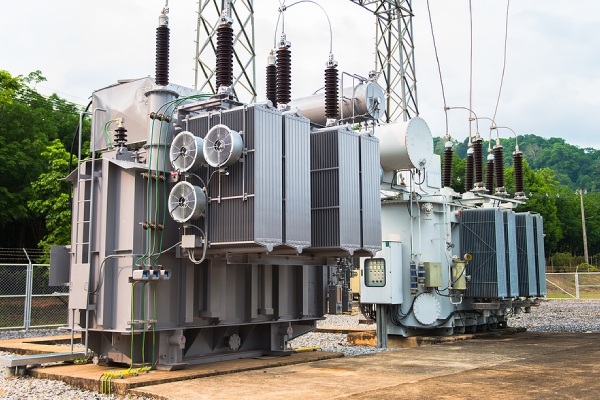
Transformers sit quietly at the heart of nearly every power system, converting voltage levels so electricity can travel safely from generation points to homes, offices, and factories. Most people never think about them until something goes wrong, and by then the cost of a failure can run into the hundreds of thousands. For engineers, that’s exactly why testing standards exist: not as a box-ticking exercise, but as the difference between a transformer that lasts decades and one that fails without warning.
If you’re new to the field, or simply want a refresher, understanding the key standards behind electric transformer testing gives you a much clearer picture of what “safe and reliable” actually looks like in practice. This article breaks down the core tests, the standards that govern them, and why each one earns its place in a proper testing routine.
Why Testing Standards Exist in the First Place
Transformers are built to run for years, often decades, under constant electrical and thermal stress. Left unchecked, small issues such as insulation breakdown, loose windings, or oil contamination can snowball into costly failures or safety hazards. Testing standards give engineers a consistent, repeatable way to catch these issues early, from the moment a transformer leaves the factory right through fifteen years or more of service.
Two organisations shape most of the standards engineers work with globally: the International Electrotechnical Commission (IEC) and the Institute of Electrical and Electronics Engineers (IEEE). In Singapore, engineers typically follow IEC standards, particularly IEC 60076, which covers everything from basic ratings to dielectric tests. Knowing which standard applies to your project isn’t just administrative detail. It determines the acceptance criteria your transformer needs to meet before it goes live.
The Main Categories of Transformer Tests
Most testing falls into three broad categories, each serving a different purpose.
Routine tests are carried out on every transformer that leaves the factory. These confirm basic functionality and include checks like winding resistance, ratio, polarity, and insulation resistance. Think of these as the baseline checks that every unit must pass before it’s considered fit for delivery.
Type tests are performed on a sample unit from a particular design, rather than on every single transformer produced. These verify that the design itself meets performance requirements, covering areas like temperature rise and impulse withstand. Once a design passes, subsequent units of the same design typically skip these more intensive checks.
Special tests are requested for specific projects or circumstances, often when a client needs extra assurance or when a transformer will operate under unusual conditions. These might include zero-sequence impedance tests or short-circuit withstand tests.
Here’s a quick breakdown of common tests and what they check:
| Test | What It Checks |
| Winding resistance | Detects loose connections or damaged windings |
| Insulation resistance | Confirms insulation is sound and free of moisture |
| Turns ratio | Verifies the transformer converts voltage correctly |
| Dielectric (withstand) test | Checks the insulation can handle voltage surges |
| Oil dielectric strength | Measures the insulating oil’s resistance to electrical breakdown |
| Vector group verification | Confirms correct phase relationships for three-phase units |
How and When Testing Happens
There are several methods for transformer testing depending on the stage of the transformer’s life, such as factory acceptance, commissioning, or ongoing maintenance. Engineers typically choose their approach based on what the transformer needs at that point, and how much downtime can be tolerated.
Field testing, in particular, plays an increasingly important role as transformers age. On-site tests such as dissolved gas analysis (DGA) allow engineers to detect early signs of internal faults, like overheating or arcing, without shutting the unit down completely. This kind of proactive monitoring has become standard practice for utilities and large facilities that simply can’t afford unplanned outages.
The Human Side of Testing
It’s easy to think of transformer testing as a purely technical exercise, but there’s a real human element behind it. Engineers carrying out these tests are protecting the people who rely on stable power. That includes hospitals with equipment that needs to stay running, factories that can’t afford downtime, and ordinary homes that simply expect the lights to come on. A missed insulation fault or an overlooked winding issue doesn’t just risk equipment. It risks people’s safety and livelihoods.
This is also why documentation and traceability have become such a big focus in recent years. Test reports aren’t just paperwork filed away and forgotten. They form a maintenance history that helps engineers spot patterns, predict when a transformer might need attention, and make informed decisions about repair versus replacement. A transformer with a decade of consistent test records is far easier to manage than one with gaps in its history.
Staying Current as Standards Evolve
Standards aren’t static. As transformer designs change and grid demands shift, particularly with the growing integration of renewable energy sources, testing standards get revised to keep pace. Engineers who stay current with these updates are better positioned to catch issues that older methods might miss, and to advise clients on what level of testing actually makes sense for their situation.
This is also where experience makes a real difference. Reading a standard is one thing, but applying it correctly across different transformer types, environments, and project constraints takes years of hands-on work. That’s why many companies still rely on experienced engineers to interpret results and flag anything unusual, even as testing equipment becomes more automated and sophisticated.
Getting Testing Right the First Time
Transformer testing isn’t glamorous work, but it’s foundational to keeping power systems safe and dependable. From routine factory checks to specialised field diagnostics, each test plays a specific role in catching problems before they become expensive or dangerous.
For engineers and facility managers looking for a testing partner who understands both the standards and the practical realities of Singapore’s power infrastructure, MES offers experienced support across transformer testing, switchgear, and related electrical services. Contact MES to discuss your next project.

Linkedin Profile 