
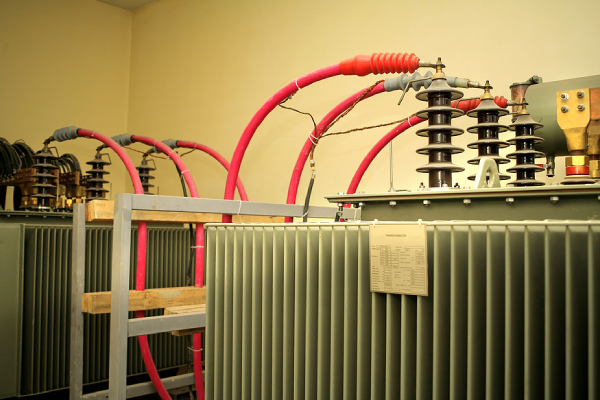
Transformers are the quiet workhorses of any electrical system. They sit in the background, stepping voltage up or down, keeping everything running smoothly. Most of the time, you barely notice them. But when something goes wrong, the consequences can be serious: unexpected downtime, costly damage to connected equipment, or even safety hazards on site.
The good news is that transformers rarely fail without warning. There are almost always early signs that something is not quite right. Knowing what to look out for means you can act before a small issue becomes a major problem.
Here are seven signs that your transformer needs attention, and why prompt electric transformer repair could save you a great deal of time and money.
1. Unusual or Persistent Humming Noises
A low-level hum is perfectly normal for transformers in operation. What is not normal is a hum that suddenly gets louder, changes in pitch, or is accompanied by buzzing or rattling sounds. These changes often point to loose laminations inside the core, vibration issues, or problems with the mounting structure.
If the noise is intermittent or seems to worsen under load, do not ignore it. Unusual sounds are one of the earliest indicators that something internal is starting to degrade.
2. Overheating or Unusually High Surface Temperature
Transformers generate heat as part of normal operation, but they are designed to manage it within safe limits. If you notice the casing is much hotter than usual to the touch, or if thermal monitoring shows temperatures climbing beyond the rated threshold, that is a clear warning sign.
Overheating can be caused by overloading, blocked ventilation, cooling system failure, or deteriorating insulation. Left unchecked, it accelerates winding degradation and can lead to complete transformer failure. Regular thermal imaging checks are a practical way to catch this early.
3. Oil Leaks or Discolouration
Oil-filled transformers rely on insulating oil to both cool the unit and protect internal components. If you spot oil pooling beneath the transformer, staining on the casing, or notice the oil has turned dark or murky, that warrants immediate investigation.
Oil leaks can result from seal deterioration, corrosion, or physical damage. Discolouration suggests the oil has been contaminated or degraded through oxidation. Both scenarios compromise the transformer’s ability to insulate and cool effectively. Issues such as moisture contamination can also affect oil quality and accelerate internal damage if not addressed.
4. Voltage Fluctuations or Output Irregularities
If the equipment or systems connected to your transformer are experiencing unexplained voltage dips, surges, or inconsistent power delivery, the transformer itself could be the source of the problem. Winding faults, loose connections, or tap changer issues can all cause irregular output.
Voltage instability does not just affect operational efficiency. It can damage sensitive machinery, trip protective relays, and cause data loss in connected systems. If you have ruled out other causes upstream, have your transformer inspected without delay.
5. Burning Smell or Visible Scorch Marks
A burning odour near your transformer is never something to brush aside. It typically indicates that insulation material is overheating or breaking down. In some cases, you may also see scorch marks around terminals, bushings, or on the casing itself.
This sign demands urgent attention. Insulation failure is one of the leading causes of transformer breakdowns, and if winding insulation is compromised, the risk of short circuits and arc flash increases significantly. Do not wait to see if the smell goes away on its own.
6. Tripping of Protective Devices
If your transformer is repeatedly causing fuses to blow or circuit breakers and protective relays to trip, that is your electrical system trying to tell you something is wrong. Occasional trips can happen due to temporary overloads, but recurring trips under normal operating conditions are a red flag.
Common causes include internal winding faults, earth faults, or turn-to-turn shorts. Each time a fault occurs and is not investigated, the damage compounds. A proper inspection can identify the root cause and prevent a full system shutdown down the line.
7. Age-Related Deterioration
Even a well-maintained transformer has a finite service life. Most industrial transformers are designed to last between 20 and 30 years, though this varies depending on operating conditions, maintenance history, and load levels. If your transformer is approaching or has exceeded this range, it warrants a comprehensive assessment.
Ageing units are more susceptible to insulation failure, oil degradation, and mechanical wear. You may not see obvious symptoms yet, but a professional inspection can reveal internal deterioration before it results in an unplanned outage. As a general guide:
- Under 10 years old: standard scheduled maintenance, annual inspection
- 10 to 20 years old: increase inspection frequency, oil sampling recommended
- Over 20 years old: full diagnostic assessment advised, consider refurbishment or replacement
Do Not Wait for a Breakdown
Transformers are critical assets, and the cost of an unplanned failure almost always far exceeds the cost of timely maintenance or repair. Whether you have noticed one of the signs above or you simply cannot remember the last time your transformer was professionally inspected, it is worth acting sooner rather than later.

Linkedin Profile 