
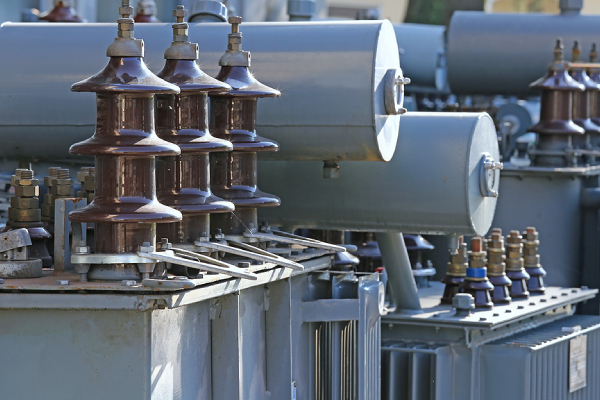
Distribution transformers sit at the heart of every building’s power supply, quietly stepping down voltage so that lifts, air-conditioning, lighting and machinery all run the way they should. Most people never think about them until something goes wrong, and that is exactly the point. A transformer that has been installed properly should fade into the background, doing its job safely for decades without drama.
Getting there takes more than plugging in a heavy piece of equipment and switching it on. The installation of distribution transformer units involves careful planning, strict adherence to electrical codes, and a good deal of hands-on expertise from licensed professionals. Whether you are a facilities manager overseeing a new building or a business owner upgrading an ageing system, understanding the safety standards behind this process helps you ask the right questions and spot the right partners for the job.
Why Safety Standards Exist in the First Place
Transformers handle high voltages and carry real risks if something is done incorrectly. Poor earthing, incorrect clearances, or substandard oil handling can lead to overheating, fire, or electric shock. In Singapore, the Energy Market Authority sets out clear requirements for electrical installations under the Electricity Act, and any facility running high voltage equipment needs a licence and regular inspection by a Licensed Electrical Worker.
These rules are not there to slow projects down. They exist because transformer failures rarely stay contained to the unit itself. A fault can trip power across an entire building, damage connected equipment, or in the worst cases put lives at risk. Safety standards give everyone involved, from the design engineer to the site electrician, a shared reference point for doing the job properly.
Site Preparation and Location Planning
Before a transformer ever arrives on site, the location needs proper thought. A few of the key considerations include:
- Adequate ventilation to manage heat build-up, particularly relevant in Singapore’s warm and humid climate
- Sufficient clearance from walls, doors and other equipment for maintenance access and airflow
- Fire-resistant barriers or bunding where oil-filled transformers are used, to contain any leaks
- Proximity to load centres to reduce cable runs and voltage drop
- Accessibility for future testing, maintenance, and eventual replacement
Getting the location wrong is one of the most common and costly mistakes in transformer projects, since retrofitting ventilation or fire protection after installation is far more disruptive than planning for it from day one. Structural loading also deserves attention, since transformers are heavy and the floor or plinth supporting them needs to be assessed by a qualified engineer before delivery. Noise is another factor that often gets overlooked, particularly in mixed-use developments where a transformer room sits close to occupied spaces, so acoustic treatment or a suitable buffer zone can save headaches down the line.
Earthing, Bonding and Protection Systems
A transformer that is not earthed correctly is a hazard waiting to happen. Proper earthing directs fault current safely away from people and equipment, and it needs to be tested and verified before the unit is energised. Bonding between metallic enclosures, cable armouring, and the earthing system should follow recognised standards such as the IEC 60076 series for power transformers.
Protective relays and circuit breakers are equally important. These devices detect abnormal conditions like overloads or short circuits and isolate the transformer before damage spreads. A system that has been engineered correctly should trip cleanly and predictably when something goes wrong, rather than allowing a fault to escalate.
Testing Before Energisation
No transformer should go live without a series of checks confirming it is fit for service. Typical pre-commissioning tests include insulation resistance testing, turns ratio testing, and in the case of oil-filled units, dielectric strength testing of the insulating oil. Singapore’s humid conditions mean moisture ingress is a genuine concern, and oil that has absorbed moisture during storage or installation can compromise insulation performance significantly.
Any unit that shows signs of degraded oil quality, damaged bushings, or loose terminations requires immediate repair before it is put into service. Skipping this step to meet a project deadline is one of the more common shortcuts that ends up causing far bigger problems later.
Qualified Personnel Make the Difference
Even the best-designed transformer will only perform as intended if the people installing it know what they are doing. In Singapore, high voltage work must be carried out by Licensed Electrical Workers, and larger installations typically involve a Licensed Electrical Engineer overseeing the design and sign-off. These qualifications are not just paperwork. They reflect training in the specific hazards of high voltage systems and the judgement needed to spot problems before they become dangerous.
The engineer usually leads on design and certifies that the installation meets regulatory requirements, while the electrical worker handles the physical installation and testing on site. Facilities or site managers play their part too, coordinating access, scheduling, and the ongoing maintenance once the transformer is up and running. Working with a team that holds these qualifications, and that can show a track record with similar projects, goes a long way towards a smooth and safe installation.
Ongoing Maintenance Keeps Standards Alive
Safety does not end once the transformer is switched on. Regular inspection, oil sampling, thermal imaging, and dissolved gas analysis all help catch early warning signs of wear before they turn into failures. A well-maintained transformer can run reliably for well over twenty years, while a neglected one can start showing problems within just a few.
Facilities teams that build a maintenance schedule into their operations, rather than waiting for something to break, tend to see fewer unplanned outages and lower long-term costs. It is a habit worth building early, ideally from the moment the transformer is commissioned. Keeping a record of every inspection and test result also helps with future decision-making, since patterns of gradual change are often easier to spot when compared against a proper history rather than a single snapshot in time.
Getting Expert Support
Transformer installation is not a task to take lightly, and the standards involved reflect just how much is at stake when high voltage equipment is involved. From site planning and earthing to testing and long-term maintenance, every stage benefits from experienced hands and a genuine understanding of local regulatory requirements.
If you are planning a new installation or want a second opinion on an existing setup, MES brings decades of hands-on experience with transformers, switchgear and high-voltage systems across Singapore. Contact MES to discuss your project and make sure your power infrastructure is built on a solid, safe foundation.

Linkedin Profile 