
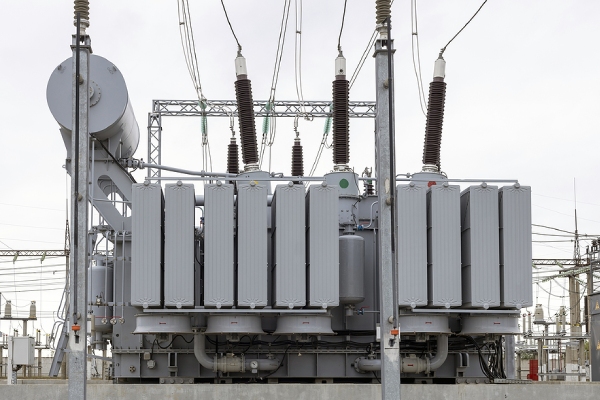
A single transformer failure can knock out power to an entire MRT line, shut down a hospital ward, or halt production at an industrial plant, costing thousands of dollars per hour. In Singapore’s humid climate, one of the most insidious causes of transformer failure isn’t age or overload. It’s moisture.
Moisture may sound harmless, but once it infiltrates a transformer, it silently degrades insulation, accelerates aging, and sets the stage for catastrophic breakdowns. For facility managers, engineers, and business owners, understanding how this happens isn’t just technical knowledge. It’s the difference between proactive maintenance and an unexpected crisis.
What Is Moisture Contamination in Transformers?
Transformers rely on insulation systems to function properly. These systems typically consist of insulating oil and solid insulation materials like paper or pressboard. Their job is to prevent electrical faults and manage heat effectively.
Moisture contamination occurs when water enters this insulation system. This can happen in several ways:
- Exposure to humid air during maintenance or repairs
- Leaks in seals or gaskets
- Ageing insulation materials releasing trapped moisture
- Poor storage or handling of transformer oil
Given Singapore’s high humidity levels, this is not a rare issue. Even well-maintained equipment can gradually absorb moisture from the environment if preventive measures are not in place.
Why Moisture Is a Serious Problem
At first glance, a small amount of moisture may not seem like a big deal. However, even low levels can have a compounding effect over time.
1. Reduced Insulation Strength
Transformer oil acts as an electrical insulator. When moisture is present, it reduces the oil’s dielectric strength, meaning it becomes less effective at preventing electrical breakdown.
This is particularly important for systems using a mineral oil transformer, where oil purity is essential for safe operation. As moisture increases, the risk of internal faults also rises.
2. Increased Risk of Electrical Failure
Moisture creates conductive paths within the insulation system. This can lead to partial discharges, arcing, or even complete insulation failure.
In real-world terms, this could mean:
- Unexpected outages
- Equipment damage
- Costly downtime for businesses
For industries that rely heavily on continuous power, such as manufacturing or data centres in Singapore, even a short disruption can have serious consequences.
3. Accelerated Ageing of Insulation
Moisture does more than just weaken insulation. It also speeds up chemical degradation.
When water interacts with insulation materials, it promotes hydrolysis, a process that breaks down cellulose in paper insulation. Over time, this leads to:
- Reduced mechanical strength
- Increased brittleness
- Shortened transformer lifespan
This means a transformer that should last decades may fail much earlier if moisture is not controlled.
4. Heat Management Issues
Transformers generate heat during operation, and insulating oil helps dissipate it. Moisture affects this cooling process by altering the oil’s properties.
When cooling becomes less efficient:
- Internal temperatures rise
- Components experience more stress
- The risk of overheating increases
In Singapore’s already warm climate, this added thermal stress can push equipment beyond safe limits.
How Moisture Gets Detected
One of the challenges with moisture contamination is that it is not always visible. Regular testing and monitoring are essential.
A common method used by technicians involves analysing oil samples. These tests provide insights into the condition of the insulation system and help detect early signs of contamination.
You might come across references to BDV test results for transformer insulating oil during maintenance checks. While the details can be technical, the goal is simple: to ensure the oil can still perform its insulating function effectively.
Other diagnostic tools include:
- Moisture content analysis (ppm levels)
- Dissolved gas analysis (DGA)
- Insulation resistance testing
These methods help identify issues before they escalate into major failures.
Common Causes of Moisture Contamination
Singapore’s environment plays a big role in how moisture contamination develops.
High Humidity Levels
With relative humidity often above 70%, transformers are constantly exposed to moisture in the air. Over time, even sealed systems can absorb small amounts of water.
Frequent Temperature Changes
Air-conditioned environments, combined with outdoor heat, can create temperature fluctuations. This leads to condensation forming inside transformer tanks if not properly managed.
Urban and Industrial Exposure
Transformers located near coastal areas or industrial zones may face additional challenges such as salt-laden air or pollutants, which can compromise seals and accelerate moisture ingress.
Signs Your Transformer May Have Moisture Issues
While testing is the most reliable way to confirm contamination, there are some warning signs to look out for:
- Unusual temperature increases during operation
- Frequent tripping or electrical faults
- Darkening or cloudiness in transformer oil
- Declining performance over time
If any of these symptoms appear, it is worth scheduling a professional inspection.
Preventing Moisture Contamination
The good news is that moisture contamination can be managed effectively with the right approach.
1. Proper Sealing and Maintenance
Ensuring that gaskets, seals, and breathers are in good condition is the first line of defence. Regular inspections can help catch small issues before they become major problems.
2. Use of Breathers and Dehydrating Systems
Silica gel breathers and online dehydration systems help control moisture entering the transformer. These systems are especially useful in humid climates like Singapore.
3. Regular Oil Testing
Routine oil analysis provides early warnings. Instead of waiting for a failure, maintenance teams can take proactive steps based on test results.
4. Controlled Handling During Servicing
When transformers are opened for maintenance, exposure to air should be minimised. Using dry air or nitrogen blanketing can help reduce moisture absorption.
5. Oil Treatment and Filtration
If moisture is already present, oil purification processes such as vacuum dehydration can restore the oil’s properties and extend the transformer’s life.
Why Early Action Matters
Ignoring moisture contamination can lead to a cycle of deterioration. What starts as a minor issue can quickly escalate into:
- Costly repairs
- Equipment replacement
- Operational downtime
On the other hand, early intervention helps:
- Maintain efficiency
- Extend asset lifespan
- Reduce long-term costs
For businesses in Singapore where operational reliability is key, this makes a strong case for proactive maintenance.
The Bigger Picture
Transformers are long-term investments. Taking care of them is not just about fixing problems when they arise, but about preventing issues before they start.
Moisture contamination is one of those silent threats that often goes unnoticed until it becomes serious. By understanding its impact and taking simple preventive steps, you can protect both your equipment and your operations.
Conclusion
Moisture contamination rarely causes immediate failure, but that is exactly what makes it dangerous. Left unchecked, it gradually compromises insulation, accelerates ageing, and increases the likelihood of costly breakdowns when you least expect them.
The good news is that with regular testing, proper maintenance, and early intervention, these risks can be managed effectively. Taking action early does not just protect your transformer. It helps you avoid unplanned downtime, reduce long-term costs, and maintain operational reliability.
If you want greater confidence in your electrical systems, it may be time to take a closer look at your transformer’s condition. Partnering with experienced specialists like MES ensures you have the right support, from diagnostics to preventive care, so your equipment stays reliable in Singapore’s demanding environment.

Linkedin Profile 