
A motor failure rarely announces itself at a convenient time. It happens mid-shift, mid-week, or mid-deadline, and suddenly a manufacturing line goes quiet, an HVAC system stops responding, or a critical pump loses pressure. The clock starts ticking, and a decision needs to be made fast: rewind or replace?
It sounds like a simple call, but the wrong choice can cost far more than the repair itself. Rewinding a motor can be a smart, economical fix in the right circumstances, but in others, it only delays a bigger problem. Knowing the difference is what separates a quick recovery from a recurring headache.
What Is Motor Rewinding?
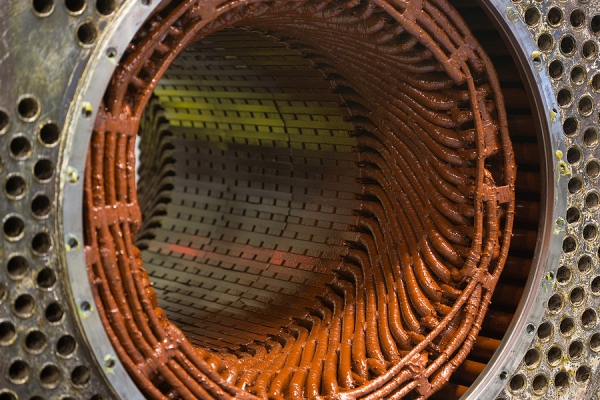
Motor rewinding is the process of repairing an electric motor by replacing its damaged or worn-out windings. Over time, heat, moisture, electrical faults, or poor maintenance can degrade insulation and copper windings, leading to motor failure.
Instead of discarding the motor entirely, technicians remove the old windings, clean the core, and install new ones to restore function. Many businesses offering electric motor repair in Singapore provide rewinding as part of their service, especially for industrial motors that are expensive to replace.
Why Motors Fail in the First Place
Before deciding whether rewinding is worth it, it helps to understand why motors fail.
Common causes include:
- Overheating due to overloading or poor ventilation
- Electrical imbalances or voltage spikes
- Contamination from dust, oil, or moisture
- Ageing insulation and wear over time
- Improper maintenance or installation
Sometimes, issues can even stem from earlier stages, such as poor handling or lack of proper documentation during setup. While it is easy to overlook, even factors related to safe and efficient motor installation can contribute to long-term motor performance.
The Pros of Motor Rewinding
1. Cost Savings (in the Right Situation)
One of the biggest reasons companies consider rewinding is cost. For large or specialised motors, replacing the entire unit can be expensive.
Rewinding allows you to restore functionality without paying for a brand-new motor. This can be especially helpful in industries where downtime directly impacts revenue.
2. Faster Turnaround Time
Depending on availability, sourcing a new motor can take time, especially if it is a custom or less common model. Rewinding can often be completed faster, helping you get operations back on track sooner.
For businesses where operational efficiency matters, this quicker turnaround can make a big difference.
3. Extends Equipment Lifespan
If the motor’s core components are still in good condition, rewinding can significantly extend its usable life. This reduces waste and maximises the value of your existing equipment.
4. Suitable for Older or Custom Motors
Some older motors or specialised units may no longer be manufactured. In these cases, rewinding is often the only practical solution.
Rather than redesigning your system to fit a new motor, rewinding allows you to keep your existing setup intact.
The Cons of Motor Rewinding
1. Efficiency Loss Risks
Not all rewinding jobs are equal. Poor workmanship can lead to reduced motor efficiency. Even small deviations in winding design or insulation quality can affect performance.
Over time, this can result in higher energy consumption, which may outweigh the initial savings.
2. Hidden Damage
Sometimes, the issue is not just the windings. If the motor core, bearings, or other components are also damaged, rewinding alone will not solve the problem.
This can lead to repeated breakdowns and additional repair costs.
3. Not Always Cost-Effective
For smaller motors, especially standard models, replacing the motor may actually be cheaper than rewinding. Labour costs and materials can add up quickly.
In such cases, investing in a new motor may provide better long-term value.
4. Downtime Still Required
Although rewinding can be faster than replacement, it still requires time for disassembly, repair, and testing. If your operations are highly time-sensitive, even short delays can be costly.
When Is Motor Rewinding Worth It?
Rewinding tends to make sense when:
- The motor is large, expensive, or custom-built
- The core and mechanical parts are still in good condition
- Replacement lead times are long
- You are working with a trusted and experienced service provider
In Singapore’s industrial landscape, many facilities rely on preventive maintenance strategies. Rewinding can be part of that approach when used selectively and with proper assessment.
When Replacement Might Be the Better Option
On the other hand, replacement is often the better choice when:
- The motor is small or relatively inexpensive
- There is extensive damage beyond the windings
- Energy efficiency is a top priority
- The motor is outdated or nearing the end of its lifecycle
Newer motors are often designed to be more energy-efficient, which can lead to long-term cost savings, especially with rising electricity costs in Singapore.
How to Make the Right Decision
Choosing between rewinding and replacement should not be a guess. A proper evaluation is key.
Here are a few practical steps:
1. Get a Detailed Assessment
Have a qualified technician inspect the motor thoroughly. This includes checking the windings, core, bearings, and overall condition.
2. Compare Total Costs
Look beyond the upfront cost. Consider energy efficiency, expected lifespan, and potential future repairs.
3. Think About Downtime
How quickly do you need the motor back in operation? Compare repair timelines with replacement lead times.
4. Work with Experienced Professionals
The quality of the service provider matters. Skilled technicians can ensure that rewinding is done correctly, preserving performance and reliability.
The Role of Preventive Maintenance
One way to avoid the rewinding vs replacement dilemma altogether is through proper maintenance.
Regular checks, cleaning, and monitoring can help detect issues early before they escalate into major failures. Simple actions like ensuring proper ventilation, avoiding overload, and scheduling periodic inspections can go a long way.
For many businesses in Singapore, preventive maintenance is not just a good practice, it is essential for keeping operations smooth and cost-effective.
A Balanced Perspective
Motor rewinding is neither a universal solution nor something to avoid entirely. It sits somewhere in between, offering real benefits when applied in the right context.
Think of it as a tool. When used appropriately, it can save costs, extend equipment life, and reduce downtime. When used without proper evaluation, it can lead to inefficiencies and repeated issues.
The key lies in understanding your motor, your operational needs, and the long-term impact of your decision.
Conclusion
Motor failure is stressful enough without having to make a high-stakes repair decision on the fly. The difference between a smart rewind and a costly mistake often comes down to getting the right expert assessment before you commit.
MES has been helping businesses across Singapore navigate exactly these decisions. Our team brings the technical depth to evaluate your equipment honestly, and recommend what actually makes sense for your operations and budget.

Linkedin Profile 