
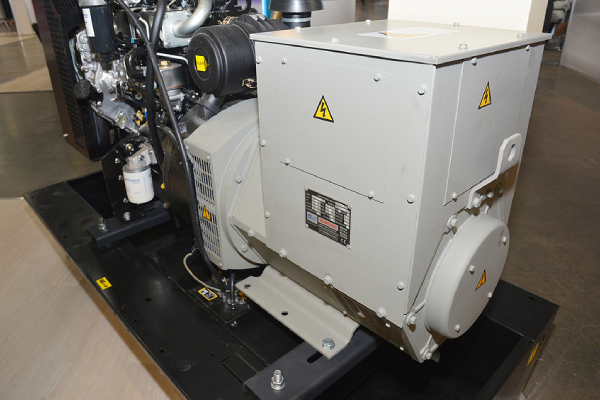
Unexpected power outages are an inevitable part of modern life. For businesses, however, these interruptions can significantly affect operations, which is why having standby generators is crucial to ensure business continuity across industries.
Over time, even the most robust generators begin to show signs of wear and tear. If your commercial generator has been in service for several years, you may start to notice a decline in performance, efficiency, or reliability. When that happens, businesses must decide whether to replace their existing generator with a new unit or explore more cost-effective solutions such as generator overhauling or upgrading specific components.
This guide explores the essential factors to weigh when determining whether to replace or upgrade your generator, along with the upgrade options available to help you meet your power needs without unnecessary downtime or overspending.
Key Factors to Consider Before Replacing or Updating Your Generator
1. Generator Age and Usage
Age is often the first metric businesses consider when evaluating the condition of their generator. However, it’s not just about how many years have passed since installation—it’s also about how many hours the generator has run. A generator that is a decade old but used sparingly might still be in better condition than a newer unit that runs for long periods each week.
If your generator has seen heavy usage or is nearing the end of its expected service life, consider generator rewinding or overhauling as potential alternatives to full replacement. These methods can restore performance and extend the life of your equipment significantly.
2. Changes in Power Demand
Businesses evolve—and so do their energy requirements. If your operations have expanded, if you’ve added machinery, or if you’ve upgraded to more power-intensive equipment, your existing generator may no longer be sufficient. An undersized generator can cause frequent tripping, overheating, and inefficiencies that jeopardise your operations.
Upgrading to a more appropriately sized unit or modifying your existing generator to meet increased power loads can help you avoid performance issues during critical moments.
3. Technological Advancements
Generator technology has advanced considerably in recent years. Newer models often feature improved fuel efficiency, lower emissions, quieter operation, and enhanced monitoring capabilities. If your current generator lacks these features, upgrading could provide long-term operational and maintenance savings.
In some cases, rather than replacing the entire unit, you might benefit from selective component upgrades or retrofits—such as integrating digital monitoring systems or advanced control panels—to modernise an older model without incurring the cost of a full replacement.
4. Ease of Installation and Infrastructure Compatibility
If your facility already has the necessary infrastructure—like concrete pads, electrical wiring, and fuel lines—in place, installing a new generator can be relatively straightforward. This can significantly reduce the cost and complexity of replacement.
Moreover, upgrading within the same brand or product line may simplify the transition, since certain models are designed to work seamlessly with existing components.
5. Incentives, Rebates, and Trade-In Opportunities
Many generator dealers and manufacturers offer trade-in programs, discounts, or rebates when you exchange an older model for a newer one. This can lower the upfront costs of purchasing a new generator, making the upgrade more financially feasible.
Before committing to a full replacement, consult with suppliers to determine if your current unit has trade-in value or if you’re eligible for other financial incentives.
6. Warranty Considerations
Older generators are often no longer under warranty, leaving you responsible for any repair or replacement costs. A new generator purchase typically comes with a comprehensive warranty covering parts and labour for several years, which can provide valuable peace of mind and reduce maintenance expenses.
Even if you’re not purchasing a new unit, some upgrade services may come with limited warranties for the replaced or refurbished components.
Generator Upgrade and Replacement Options
When it comes to improving generator performance, businesses have several viable paths to consider. Each option has unique advantages and potential drawbacks depending on your operational needs, budget, and long-term goals.
1. Purchase a Brand-New Generator
Investing in a new commercial generator gives you access to the latest innovations, highest reliability, and full manufacturer support. This is often the best route if your current generator is outdated, undersized, or has experienced multiple failures.
However, it’s also the most capital-intensive choice. Be sure to consider your business’s current and projected power needs to select the correct size and specification.
2. Consider Surplus Generators
Surplus generators are often overlooked yet present a compelling value proposition. These units are typically new but unused, sourced from manufacturers or suppliers with excess inventory. While they may be slightly older in terms of manufacturing date, they often come at significantly reduced prices compared to fresh-off-the-line units.
For budget-conscious businesses that still want the benefits of new equipment, a surplus generator strikes a smart balance between cost and performance.
3. Explore the Used Generator Market
A well-maintained used generator can provide excellent performance at a fraction of the cost of a new unit. However, it’s essential to conduct due diligence: ask for the generator’s usage hours, maintenance history, and results from any load bank testing.
This route can be especially appealing for businesses that need an interim power solution or those whose operations don’t require top-tier capabilities. When sourcing used units, look for reputable suppliers who can also offer refurbishment services such as HV motor rewind to restore the parts of older equipment to near-new condition.
4. Emissions Upgrades
If your generator still runs well but doesn’t meet current environmental regulations, an emissions upgrade may be all you need. Aftermarket emissions control devices—such as diesel particulate filters (DPFs) or selective catalytic reduction (SCR) systems—can help ensure compliance with EPA standards without the need to replace the entire unit.
Keep in mind that emissions upgrade eligibility depends on the generator’s age, make, and usage. A professional inspection can determine whether this solution is viable for your setup.
Conclusion
Choosing whether to replace or upgrade a commercial generator is not a decision to be taken lightly. It requires a careful assessment of your current equipment’s performance, your business’s evolving power demands, and the long-term costs and benefits of each option. Understanding the full range of considerations enables you to make an informed choice that keeps your business running smoothly no matter what.