
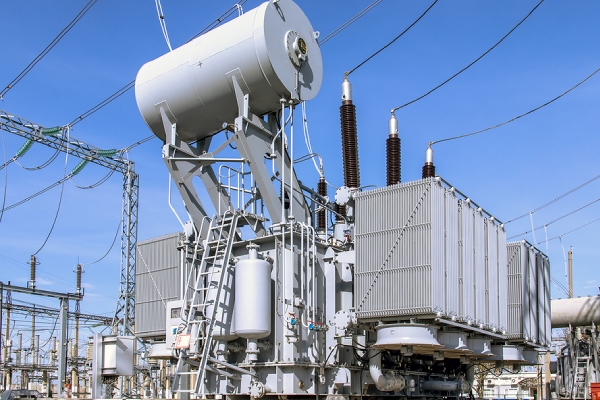
Electrical equipment quietly powers nearly every part of modern life. From factories and commercial buildings to transport systems and data centres, transformers play a critical role in distributing electricity safely and efficiently. Yet inside every transformer, one component quietly carries a heavy responsibility: the insulating oil.
Understanding the condition of this oil is essential for preventing faults and maintaining reliability. One of the most widely used ways to evaluate oil condition is the Breakdown Voltage (BDV) test. Interpreting BDV test results correctly helps engineers determine whether the oil is still performing well or whether maintenance is required.
For businesses working with transformers, knowing what BDV results actually mean can make a significant difference to equipment lifespan and operational safety.
Why Transformer Insulating Oil Matters
Transformers operate under high electrical stress and generate heat during operation. To handle this environment safely, they rely on transformer insulating oil to perform two main functions:
- Electrical insulation between internal components
- Cooling by transferring heat away from windings
When oil is clean and dry, it provides strong electrical resistance and prevents internal arcing. However, over time, oil can degrade due to moisture, oxidation, ageing insulation materials, or contamination.
Even small changes in oil quality can affect transformer performance. That is why routine oil testing forms a key part of preventive maintenance programmes.
An experienced electrical engineering company in Singapore will usually recommend regular oil testing to detect problems early before they escalate into equipment failure.
What Is a BDV Test?
A Breakdown Voltage (BDV) test measures the voltage level at which insulating oil fails electrically.
During the test:
1. A sample of transformer oil is placed in a testing chamber.
2. Two electrodes are positioned a fixed distance apart.
3. Voltage is gradually increased.
4. The voltage level at which the oil breaks down and allows current to pass is recorded.
This breakdown occurs when the insulating strength of the oil is no longer able to withstand the electrical stress.
The result is expressed in kilovolts (kV).
Higher BDV values indicate better insulating properties, while lower values suggest contamination or degradation.
Why BDV Testing Is Important
Transformers are expensive and critical assets. Unexpected failures can disrupt operations, cause downtime, and lead to costly repairs.
BDV testing provides a quick and reliable indicator of oil condition. It helps engineers detect issues such as:
- Moisture contamination
- Presence of dirt or particles
- Chemical degradation
- Oxidation of oil
- Ageing insulation materials
These problems can reduce insulation strength and increase the risk of internal faults.
Regular BDV testing allows maintenance teams to address issues early through filtration, dehydration, or oil replacement before equipment performance is compromised.
Typical BDV Test Values
While exact acceptable values can vary depending on standards and transformer specifications, some general guidelines help interpret results.
Above 60 kV
Oil is considered very good condition.
The insulation strength is strong, and the oil is likely clean and dry.
50–60 kV
Oil is acceptable and serviceable, but engineers may monitor it more closely during routine maintenance cycles.
40–50 kV
Oil quality may be declining.
Contamination or moisture may be present. Filtration or purification could be recommended.
Below 40 kV
Oil is generally considered unsatisfactory and may require immediate treatment or replacement.
Low BDV readings indicate that the oil can no longer provide reliable insulation, increasing the risk of internal electrical discharge.
Factors That Affect BDV Results
BDV test readings can vary due to several factors. Understanding these influences helps engineers interpret results more accurately.
1. Moisture
Water is one of the biggest threats to insulating oil performance.
Even tiny amounts of moisture significantly reduce dielectric strength. Moisture can enter transformers through:
- Breathers
- Seal failures
- Condensation
- Ageing insulation materials
When moisture levels rise, BDV values often drop.
2. Contamination
Particles suspended in the oil can create conductive paths between electrodes during testing.
Common contaminants include:
- Dust
- Carbon particles
- Metal fragments
- Degraded insulation fibres
These contaminants weaken insulation and increase the risk of electrical discharge.
3. Oil Ageing
Over time, transformer oil undergoes chemical changes due to oxidation and thermal stress.
Ageing oil may develop:
- Sludge deposits
- Increased acidity
- Reduced dielectric strength
BDV testing helps identify when oil ageing begins to affect transformer performance.
4. Sampling Method
Accurate BDV results depend heavily on proper sampling procedures.
Poor sampling techniques can introduce air bubbles or contamination, which may produce misleading test results. Professional oil testing teams follow strict protocols to ensure samples represent the actual condition inside the transformer.
BDV Testing as Part of a Larger Oil Analysis Programme
While BDV testing provides useful information, it is only one part of a complete transformer oil analysis programme.
Engineers often combine BDV testing with other diagnostic tests, such as:
- Moisture content analysis
- Dissolved gas analysis (DGA)
- Acidity testing
- Interfacial tension tests
- Furan analysis for paper insulation ageing
Together, these tests provide a much clearer picture of transformer health.
Protective components such as oil surge relays also play a role in monitoring abnormal conditions, though oil testing remains essential for assessing insulation quality.
What Happens When BDV Results Are Low?
Low BDV readings do not always mean the transformer is failing. In many cases, the oil can be restored through treatment.
Common maintenance actions include:
Oil Filtration
Removes suspended particles and solid contaminants.
Oil Dehydration
Vacuum dehydration removes moisture and improves dielectric strength.
Oil Reconditioning
Advanced treatment processes can restore oil properties and extend service life.
Oil Replacement
If the oil is severely degraded, complete replacement may be necessary.
Choosing the right solution depends on the overall condition of the oil and the transformer.
The Value of Preventive Maintenance
Many transformer failures occur gradually rather than suddenly. Insulation deterioration often develops slowly over time.
Regular oil testing helps maintenance teams:
- Detect early warning signs
- Plan maintenance more effectively
- Extend transformer lifespan
- Reduce unexpected outages
- Improve system reliability
Preventive maintenance ultimately costs far less than emergency repairs or equipment replacement.
Companies that rely on uninterrupted power supply often integrate oil testing into their routine maintenance schedules to minimise operational risks.
Understanding Test Results Requires Experience
Interpreting BDV values is not always straightforward. Engineers must consider several factors, including:
- Transformer type and age
- Historical test results
- Operating conditions
- Other oil analysis data
A single BDV test result rarely tells the full story. Trends over time often provide more meaningful insights.
This is why many organisations rely on professional maintenance specialists to conduct oil testing and interpret the results correctly.
Conclusion
Transformer oil plays a vital role in maintaining safe and reliable electrical operations. BDV testing offers a practical way to evaluate the insulating strength of transformer oil and detect potential problems before they escalate.
Understanding what BDV values indicate helps maintenance teams make informed decisions about oil treatment, filtration, or replacement. Regular testing, combined with proper maintenance practices, significantly reduces the risk of transformer failure and improves long-term equipment reliability.
For organisations seeking professional support with transformer diagnostics and maintenance, MES provides expert services to help keep electrical systems operating safely and efficiently. Our team can assist with comprehensive oil testing, condition assessment, and maintenance solutions tailored to your operational needs.

Linkedin Profile 