
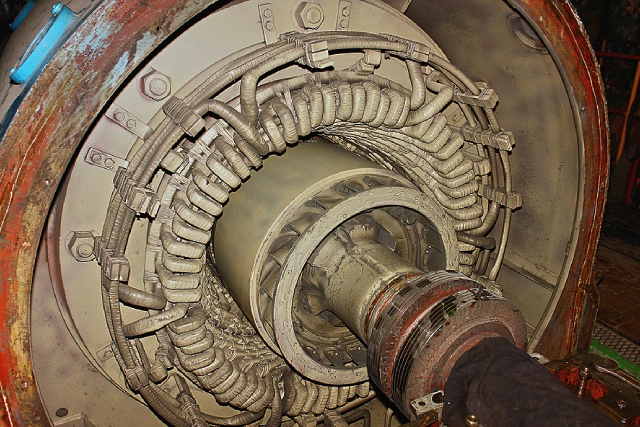
Unplanned generator downtime rarely announces itself politely. One moment, electrical output looks stable. The next, vibrations rise, insulation degrades, and a critical alternator is suddenly offline. For facilities that rely on continuous power, these failures are costly, disruptive, and often avoidable. Vibration analysis has emerged as one of the most effective early-warning tools for generator and alternator health, allowing issues to be detected long before they escalate into shutdowns or catastrophic damage.
For any electrical engineering company supporting mission-critical infrastructure, vibration monitoring is no longer a “nice to have”. It is a practical, proven method for protecting generator assets, improving reliability, and extending service life.
Why Generator Downtime Is So Expensive
Generators and alternators sit at the heart of many electrical systems, from industrial plants to commercial buildings and utilities. When they fail unexpectedly, the consequences go far beyond repair costs, especially in the absence of a structured maintenance plan. Production interruptions, safety risks, reputational damage, and emergency maintenance premiums quickly add up.
What makes generator downtime particularly frustrating is that many faults develop gradually. Mechanical imbalance, misalignment, bearing wear, and electrical asymmetry rarely appear overnight. They generate subtle vibration patterns that worsen over time. Without the right monitoring approach, these early signs are easy to miss until the damage becomes severe.
What Vibration Analysis Really Tells You
Vibration analysis measures oscillations within rotating components and translates them into meaningful diagnostic data. In generators and alternators, every rotating part produces a characteristic vibration “signature”. When something changes, that signature changes too.
Unlike visual inspections or basic electrical tests, vibration analysis reveals what is happening internally while the generator is operating under load. This makes it especially valuable for identifying developing faults that are invisible from the outside.
Key insights provided by vibration analysis include:
- Early detection of mechanical imbalance in rotors
- Misalignment between generator components
- Bearing wear and lubrication issues
- Looseness in mounting or structural supports
- Electromagnetic forces affecting rotor stability
By trending these vibration patterns over time, engineers can distinguish between normal operational behaviour and emerging problems.
Common Generator And Alternator Issues Detected Early
Vibration analysis is particularly effective for generator and alternator applications because many faults manifest first as changes in vibration amplitude or frequency.
Rotor Imbalance
Even small imbalances in the rotor can lead to elevated vibration levels. Left uncorrected, this accelerates bearing wear and stresses the shaft. Vibration analysis identifies imbalance early, often before temperature or noise changes are noticeable.
Bearing Degradation
Bearings are among the most critical components in generators. Vibration data can detect early-stage bearing defects such as pitting or spalling, long before failure occurs. Addressing these issues early avoids secondary damage to rotors and stators.
Mechanical Looseness
Loose mounting bolts or structural supports alter vibration patterns in distinctive ways. These issues are easy to overlook during routine inspections but are clearly visible in vibration spectra.
Electrical Asymmetry Effects
Although vibration analysis focuses on mechanical behaviour, it can also reveal issues caused by uneven electromagnetic forces within the alternator. These forces can introduce abnormal vibration frequencies linked to electrical loading conditions.
Why Early Detection Matters More Than Fast Repairs
Repairing a generator quickly is valuable. Preventing the failure altogether is better. Early detection through vibration analysis shifts maintenance from a reactive to a predictive approach.
Instead of responding to alarms or breakdowns, maintenance teams can plan interventions based on real condition data. Bearings can be replaced during scheduled outages. Alignment can be corrected before damage spreads. Parts can be ordered in advance rather than sourced urgently.
This approach reduces:
- Emergency maintenance costs
- Unplanned outages
- Risk of collateral damage to critical components
- Overall lifecycle costs of generator assets
For organisations managing multiple generators, these savings scale rapidly.
Integrating Vibration Analysis Into Maintenance Strategies
Vibration analysis is most effective when it is not treated as a one-off test. Regular monitoring and trending are essential for accurate diagnosis and decision-making.
A typical implementation includes:
- Establishing baseline vibration readings for healthy generators
- Conducting periodic measurements under consistent operating conditions
- Analysing trends rather than isolated data points
- Correlating vibration data with load, speed, and operational history
When performed by experienced engineers, this process provides clear, actionable insights rather than raw data alone.
The Role Of Specialist Expertise
While modern instruments make vibration measurement more accessible, interpretation remains a specialised skill. Generator and alternator systems have complex vibration behaviours influenced by both mechanical and electromagnetic factors.
An experienced electrical engineering company understands how to differentiate between harmless operational vibrations and genuine fault indicators. This expertise ensures that maintenance actions are proportionate, timely, and effective, avoiding unnecessary interventions while catching real problems early.
Professional vibration analysis services also integrate findings with broader electrical and mechanical assessments, creating a more complete picture of generator health.
Extending Generator Lifespan Through Condition Monitoring
Generators represent significant capital investment. Extending their operational life is a priority for most asset owners. Vibration analysis plays a direct role in achieving this goal.
By minimising mechanical stress, preventing secondary damage, and maintaining optimal alignment and balance, vibration-based maintenance reduces cumulative wear. Over time, this translates into fewer major overhauls, improved efficiency, and more predictable performance.
Rather than running generators to failure or relying solely on time-based maintenance schedules, condition monitoring aligns servicing with actual equipment needs.
From Data To Confidence
One of the less obvious benefits of vibration analysis is confidence. Facility managers and engineers gain assurance that generators are operating within safe limits. Decisions are supported by data rather than assumptions, reducing uncertainty around asset conditions.
This confidence is particularly valuable in critical environments where power reliability is non-negotiable. Knowing that potential issues will be detected early allows teams to focus on operations rather than constant contingency planning.
Conclusion: Prevent Downtime Before It Starts
Generator failures rarely come without warning. The challenge lies in recognising the signals early enough to act. Vibration analysis provides that early insight, transforming hidden mechanical and electromagnetic changes into clear diagnostic information.
For organisations seeking to reduce downtime, protect valuable assets, and adopt a more proactive maintenance strategy, vibration analysis is a proven solution. Partnering with a trusted specialist ensures that data is not only collected, but correctly interpreted and acted upon.
To learn more about generator and alternator monitoring, maintenance, and diagnostic services, explore the expertise available at MES and see how condition-based approaches can help safeguard your power systems before problems escalate.

Linkedin Profile 