
Generator systems across Singapore are ageing, operating longer hours, and being asked to deliver higher reliability with less tolerance for downtime. By 2026, many operators face a familiar question when electrical performance starts to slip: should the unit undergo a full overhaul, or is a rewind enough?
Understanding the difference matters. A wrong decision can mean unnecessary cost, extended outages, or worse, repeat failures within months. This guide breaks down generator overhaul and rewind services, focusing strictly on the alternator and electrical side of the system, and helps asset owners choose the right path for their unit.
Understanding Generator Electrical Wear Over Time
Alternators do not fail suddenly without warning. Electrical ageing is gradual and often invisible until performance drops, making these issues some of the most common generator problems faced in industrial systems. Common stress factors include heat, vibration, contamination, electrical loading and insulation fatigue.
Over years of operation, insulation systems dry out, copper conductors loosen, and magnetic components lose efficiency. Even well-managed generator maintenance programmes eventually reach a point where corrective intervention is unavoidable.
Recognising whether deterioration is localised or system-wide is the first step in deciding between an overhaul or rewind.
What A Generator Rewind Actually Involves
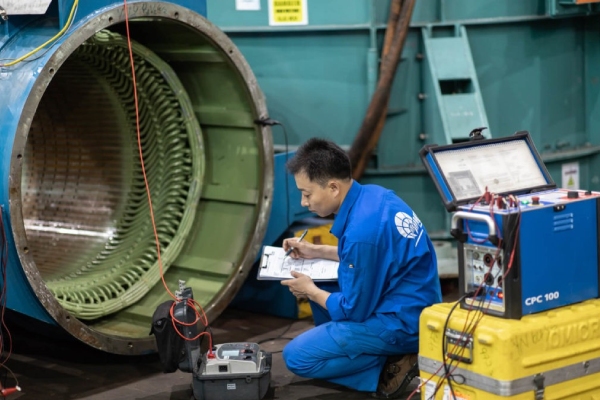
A rewind focuses on the alternator windings. When insulation resistance drops or winding faults appear, rewinding restores the electrical heart of the generator without rebuilding the entire machine.
Typical rewind scope includes:
- Removal of stator or rotor windings
- Replacement of copper conductors
- Upgrading insulation materials to modern thermal classes
- Vacuum pressure impregnation (VPI) or equivalent treatment
- Electrical testing before reassembly
A rewind is highly effective when the generator’s mechanical structure, core laminations and magnetic integrity remain sound. It addresses electrical failure without replacing components that are still performing well.
When A Rewind Is The Right Choice
Rewinding is usually appropriate when:
- Insulation resistance is low but consistent
- Partial discharge testing indicates ageing rather than structural damage
- Thermal damage is confined to windings
- The generator frame and magnetic core are intact
- There are no recurring vibration or alignment issues
Modern insulation systems used during rewinds often exceed the original specifications, allowing older generators to meet current operational demands with improved reliability.
For many facilities, a rewind delivers strong life extension at a lower cost and shorter turnaround than a full overhaul.
What Defines A Generator Overhaul
A generator overhaul is broader in scope. It addresses both electrical and mechanical elements within the alternator assembly to restore overall condition and performance.
Overhaul work may include:
- Detailed inspection of stator and rotor cores
- Bearing replacement and shaft inspection
- Air gap measurement and correction
- Cooling system cleaning and airflow optimisation
- Electrical refurbishment, which may include partial or full rewinds
- Dynamic balancing and final load testing
An overhaul is not automatically “better” than a rewind. It is simply more comprehensive, and therefore more suitable when degradation extends beyond the windings alone.
Situations That Call For A Full Overhaul
An overhaul becomes the safer choice when:
- Electrical faults recur after previous repairs
- Core laminations show signs of overheating or looseness
- Excessive vibration affects winding stability
- Bearing wear has impacted rotor alignment
- Cooling inefficiencies cause uneven thermal loading
- Operational history is unclear or inconsistent
In these cases, addressing windings alone may leave underlying issues unresolved, increasing the risk of repeat failures.
Cost, Downtime And Risk Considerations
Rewinds are typically faster and more cost-efficient. They minimise disruption while restoring electrical integrity. However, choosing a rewind when an overhaul is needed can result in secondary damage and higher long-term costs.
Overhauls require longer downtime and higher upfront investment, but they reduce uncertainty for critical applications where reliability outweighs short-term savings.
The decision should be based on diagnostic evidence rather than age alone. A well-maintained older generator may only need rewinding, while a newer unit subjected to harsh conditions may require a full overhaul.
The Role Of Testing And Diagnostics In 2026
By 2026, diagnostic techniques play a central role in decision-making. Insulation resistance testing, polarisation index analysis, partial discharge monitoring and thermal imaging provide clear insight into generator condition.
Trend-based diagnostics are especially valuable. Comparing historical test data reveals whether deterioration is accelerating or stabilised. This allows maintenance teams to plan interventions strategically rather than reactively.
Accurate diagnostics reduce guesswork and ensure that rewinds or overhauls are performed only when truly necessary.
Planning Generator Maintenance Strategically
Forward-looking generator maintenance is no longer just about preventing failure. It is about asset optimisation. Operators now assess lifecycle cost, energy efficiency and risk exposure when deciding between repair options.
Planned rewinds can be scheduled during low-demand periods, while overhauls may be aligned with broader facility shutdowns. This integrated approach reduces unplanned outages and spreads capital expenditure more effectively.
Clear maintenance records also support better decision-making when evaluating future repair versus replacement scenarios.
Choosing The Right Service Partner
The success of both rewinds and overhauls depends heavily on execution quality. Proper workmanship, material selection and testing standards directly affect post-repair reliability.
A competent service provider will:
- Conduct thorough diagnostics before recommending scope
- Explain trade-offs clearly, without overselling
- Use insulation and materials suited to local operating conditions
- Provide documented test results before return to service
Experience with generator alternators is essential to ensure the focus remains on electrical performance and integrity.
Making The Right Decision For Your Generator
A rewind restores electrical health when deterioration is limited and controlled. An overhaul rebuilds confidence when multiple systems show wear. Neither option is inherently superior; suitability depends on condition, duty cycle and risk tolerance.
In 2026, the smartest approach is evidence-based. Diagnostic insight, operational priorities and long-term cost considerations should guide every decision.
For organisations evaluating their next step, consulting specialists with deep alternator expertise can prevent costly missteps and extend generator life safely and efficiently.
Looking Ahead With Confidence
Generators remain critical assets in industrial, commercial and infrastructure environments. Choosing between overhaul and rewind is less about age and more about understanding what your unit is truly telling you.
For professional assessment, tailored solutions and trusted electrical expertise, speak with MES. Our team supports informed decisions that protect performance, reliability and long-term value. To learn more about generator services and maintenance capabilities, visit the MES website.

Linkedin Profile 