
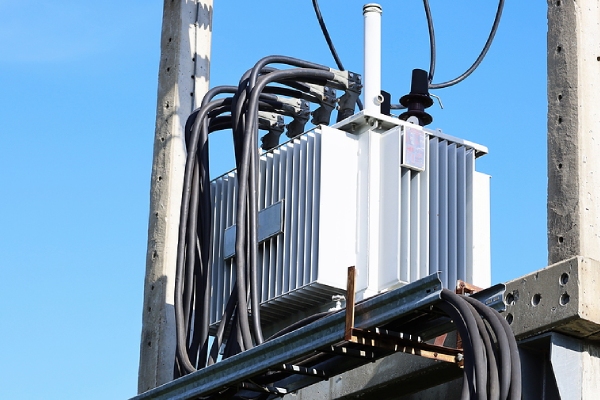
Modern power systems depend heavily on transformers to deliver stable, efficient electricity across industrial, commercial, and utility environments. Proper maintenance is not simply a matter of best practice – it is a requirement for safety, performance, and asset longevity. This is where IEC standards play a defining role. Developed by the International Electrotechnical Commission, these internationally recognised guidelines help organisations maintain transformers systematically, reduce failure risks, and comply with regulatory expectations.
For asset owners and facility managers, understanding how IEC standards guide transformer maintenance allows better planning, fewer unplanned outages, and stronger long-term returns on investment.
The Role Of IEC Standards In Transformer Maintenance
IEC standards provide a common technical language for manufacturers, operators, and service providers worldwide. For transformer maintenance, they define acceptable operating limits, testing methods, inspection intervals, and documentation requirements. Rather than relying on reactive fixes, IEC guidelines promote preventive and predictive maintenance approaches.
Key IEC standards relevant to transformer care include IEC 60076 (Power Transformers) and IEC 60296 (Insulating Fluids). Together, they outline how transformers should be designed, operated, tested, and maintained throughout their lifecycle. By following these standards, organisations ensure consistency, safety, and comparability of maintenance outcomes across sites and regions.
Why IEC Compliance Matters For Asset Reliability
Transformer failures often result from insulation degradation, overheating, moisture ingress, or mechanical stress. IEC standards address each of these risk areas with measurable benchmarks and test procedures. Compliance ensures that early warning signs, such as abnormal gas levels or insulation breakdown, are identified before escalating into major failures.
From a reliability perspective, IEC-aligned maintenance reduces unexpected downtime and protects critical operations. This is particularly important in industrial environments where transformers support motors, drives, and production lines. For companies already investing in services like electric motor rewinds in Singapore, aligning transformer maintenance with IEC standards creates a more resilient, integrated electrical system.
Core Maintenance Activities Defined By IEC Standards
IEC standards do not prescribe a one-size-fits-all schedule but define structured maintenance activities that can be adapted to operating conditions.
Visual And Mechanical Inspections
Routine inspections focus on external conditions such as oil leaks, corrosion, unusual noise, or vibration. IEC guidelines emphasise documenting these observations to track deterioration trends over time.
Electrical Testing
Standards outline testing methods for insulation resistance, winding resistance, and turns ratio. These tests help confirm electrical integrity and detect internal faults without dismantling the transformer.
Thermal Monitoring
Temperature is one of the most critical indicators of transformer health. IEC standards recommend monitoring oil and winding temperatures to prevent thermal ageing and insulation failure.
Oil Analysis And Condition Monitoring
IEC-compliant oil testing assesses dielectric strength, moisture content, acidity, and dissolved gases. Dissolved Gas Analysis (DGA), in particular, is a cornerstone of predictive maintenance under IEC frameworks.
IEC Standards And Risk-Based Maintenance Planning
One of the strengths of IEC standards is their support for risk-based maintenance. Instead of servicing all transformers at fixed intervals, operators can prioritise assets based on load profiles, criticality, age, and environmental exposure.
High-risk transformers may require more frequent testing and monitoring, while lower-risk units can follow extended intervals without compromising safety. This approach aligns maintenance effort with operational impact, improving cost efficiency without lowering reliability.
For an electrical engineering company managing diverse assets, IEC-based risk planning ensures resources are allocated where they deliver the most value.
Safety And Regulatory Alignment Through IEC Guidance
Transformer maintenance is not only about performance but also about safety, particularly when it comes to transformer fire-safety. Faulty transformers can present serious fire, explosion, and electrocution risks. IEC standards address these concerns by embedding safety considerations into every stage of maintenance, from proper isolation procedures to rigorous testing methods.
Following IEC guidelines also simplifies regulatory compliance. Many local authorities and insurers reference IEC standards when assessing electrical installations. Demonstrating adherence helps organisations meet audit requirements and reduce liability exposure.
Extending Transformer Lifespan With Standardised Practices
Transformers represent a significant capital investment. IEC-aligned maintenance directly contributes to longer service life by controlling the primary ageing factors: heat, moisture, and electrical stress.
Consistent oil monitoring, timely corrective actions, and accurate record-keeping slow insulation degradation and reduce the likelihood of catastrophic failures. Over time, this translates into deferred replacement costs and improved asset utilisation.
When transformer maintenance is coordinated with related services, such as motor testing, switchgear servicing, and electric motor rewinds, the entire electrical ecosystem benefits from reduced stress and improved efficiency.
Documentation And Traceability Under IEC Standards
Another often overlooked aspect of IEC guidance is documentation. Standards emphasise accurate maintenance records, test results, and corrective actions. This historical data supports better diagnostics, trend analysis, and decision-making.
Proper documentation also ensures continuity when personnel change or when maintenance is outsourced. Service providers can quickly understand asset history and tailor interventions accordingly, reducing guesswork and unnecessary downtime.
Choosing The Right Partner For IEC-Compliant Maintenance
While IEC standards provide the framework, effective implementation depends on expertise and experience. Interpreting test results, identifying meaningful trends, and applying corrective measures require skilled professionals with practical knowledge of transformer behaviour.
Partnering with an established electrical engineering specialist ensures that IEC guidelines are applied correctly and consistently. This is especially important for facilities with mixed assets, ageing infrastructure, or high operational demands.
Conclusion: Turning Standards Into Long-Term Value
IEC standards transform transformer maintenance from a reactive necessity into a structured, value-driven strategy. By guiding inspections, testing, monitoring, and documentation, these standards help organisations improve reliability, enhance safety, and extend asset lifespan.
Working with a trusted partner like MES ensures these standards are not just followed, but effectively integrated into your broader electrical maintenance programme. To learn more about IEC-compliant transformer maintenance and professional engineering support, visit MES and explore how expert guidance can safeguard your critical power assets for the long term.

Linkedin Profile 