
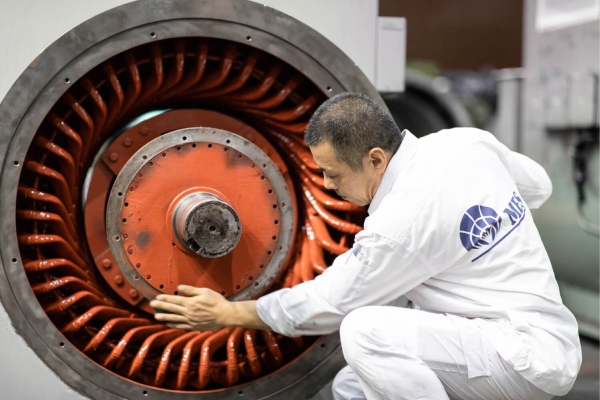
Electrical reliability depends heavily on the condition of your generator, specifically the alternator that converts mechanical input into stable electrical output. When this critical component underperforms, the result can be voltage instability, overheating, insulation failure, or unplanned downtime. A smart yearly maintenance plan ensures your generator continues to deliver consistent, efficient power when it is most needed.
Rather than reacting to faults, a structured maintenance approach focuses on early detection, electrical integrity, and long-term performance. For facilities that rely on continuous or standby power, disciplined generator care is a strategic investment, not an operational afterthought.
Why Generator-Focused Maintenance Is Critical
A generator’s alternator is a precision electrical system comprising windings, insulation, bearings, cooling pathways, and control interfaces. Over time, thermal stress, electrical loading, vibration, and environmental exposure degrade these components.
Without a clear maintenance plan, minor electrical irregularities can escalate into winding failure or insulation breakdown. Regular attention allows faults to be identified early, preserving performance and preventing costly repairs.
In local operating conditions, generator maintenance is particularly important due to heat, humidity, and airborne contaminants that accelerate insulation ageing and corrosion.
Understanding Generator Electrical Stress Factors
Generators are subjected to varying electrical demands that influence wear patterns. Load fluctuations, harmonic distortion, and prolonged high-load operation increase thermal stress on stator and rotor windings.
Environmental exposure also plays a role. Moisture ingress can reduce insulation resistance, while dust accumulation restricts airflow and raises internal temperatures. These factors must be considered when designing a yearly maintenance schedule.
A generator-specific plan focuses on electrical performance rather than mechanical assumptions, ensuring maintenance actions are relevant and effective.
Monthly Visual And Electrical Condition Checks
Monthly inspections provide early insight into generator health with minimal disruption. These checks focus on visible and measurable electrical indicators rather than operational runtime.
Tasks typically include inspecting terminal connections for looseness or overheating, checking ventilation openings for obstruction, and reviewing control panel indicators for abnormal readings. Unusual vibration, noise, or temperature rise should be noted immediately.
Insulation resistance spot checks, where appropriate, can help identify moisture absorption or early insulation deterioration before it becomes critical.
Quarterly Electrical Performance Assessments
Quarterly reviews examine generator output stability and internal condition more closely. Voltage balance, frequency consistency, and load-sharing behaviour should be evaluated to ensure electrical output remains within specification.
Thermal imaging is particularly valuable at this stage, as it highlights hot spots at terminals, windings, and connection points that may indicate resistance buildup or insulation stress.
Cooling pathways within the alternator should also be inspected to ensure adequate airflow. Blocked or contaminated ventilation systems significantly increase internal temperatures and reduce generator lifespan.
Mid-Year Insulation And Bearing Evaluations
At the halfway point of the year, attention should shift to internal generator components that influence long-term reliability. Insulation resistance testing and polarisation index measurements provide insight into winding condition and moisture presence.
Bearing condition is equally critical. While not part of the electrical circuit, bearing wear affects rotor alignment and air-gap consistency, which directly impacts electrical efficiency and stability.
Any abnormal readings or trends should trigger corrective action before further deterioration occurs.
Annual Generator Electrical Overhaul And Testing
The annual service represents the most comprehensive stage of the maintenance plan. During this process, the generator undergoes detailed inspection, cleaning, and electrical testing to confirm overall integrity.
Stator and rotor windings are assessed for insulation degradation, partial discharge risk, and mechanical looseness. Where deterioration is identified, corrective measures such as cleaning, re-varnishing, or rewinding may be required.
For severely aged or damaged windings, electric motor rewinds are often extended to generators as a proven solution to restore electrical performance while extending equipment lifespan.
Planning For Rewinding And Component Refurbishment
Generator rewinding is not a failure outcome, but a strategic maintenance decision when insulation systems approach end-of-life. Planned rewinds restore original electrical characteristics and improve thermal resilience.
A yearly maintenance review helps determine whether refurbishment is more cost-effective than replacement. Early planning minimises downtime and allows work to be scheduled during low-demand periods.
Component refurbishment may also include bearing replacement, insulation upgrades, and terminal reconditioning, all of which contribute to long-term reliability.
Documentation And Trend Analysis
Maintenance records are invaluable for generator asset management. Tracking insulation values, temperature readings, and inspection findings over time allows trends to be identified before failure occurs.
A smart maintenance plan includes structured reporting and annual review, ensuring decisions are data-driven rather than reactive. This approach supports compliance, budgeting, and long-term asset planning.
Well-documented generator histories also simplify troubleshooting and future refurbishment planning.
The Value Of Specialist Generator Expertise
Generator maintenance requires specialised electrical knowledge and diagnostic tools. Professional service providers understand alternator design, insulation systems, and electrical testing methodologies that go beyond surface-level inspection.
Working with experienced specialists ensures that maintenance activities align with manufacturer standards and local operating conditions. Their insights help optimise performance, improve safety, and extend generator service life.
A trusted partner transforms generator maintenance into a strategic reliability programme rather than a routine checklist.
Building A Generator-Centric Maintenance Calendar
A yearly generator maintenance plan should be clearly structured, realistic, and repeatable. Monthly checks, quarterly assessments, mid-year evaluations, and annual overhauls must be scheduled in advance and reviewed regularly.
Assigning responsibility and maintaining accountability ensures consistency. Annual plan reviews allow adjustments based on operating conditions, load changes, or observed performance trends.
Consistency is the foundation of generator reliability.
Conclusion
A generator’s alternator is the heart of electrical power delivery, and its condition determines performance, efficiency, and reliability. By adopting a generator-focused yearly maintenance plan, organisations protect their assets, reduce unplanned downtime, and extend operational life.
From routine inspections to strategic rewinding decisions, a structured approach delivers confidence and control. For professional generator inspection, refurbishment, and electrical expertise, explore the specialised services available at MES and take a proactive step towards dependable power and long-term resilience.

Linkedin Profile 