
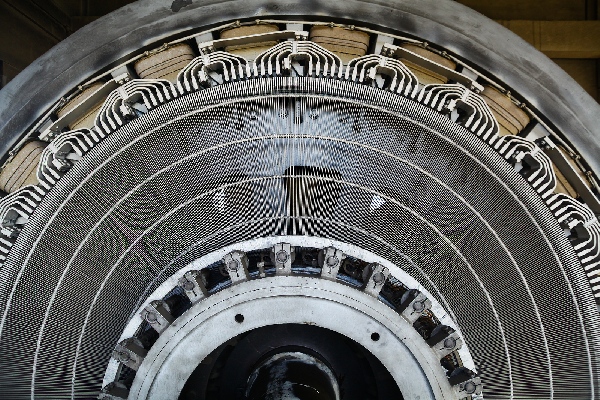
Singapore’s unique tropical climate brings with it year-round high temperatures and humidity. While this warm environment is an everyday part of life for people here, it can pose hidden challenges for industrial equipment, particularly electric motors. For businesses that rely on motors for critical operations, understanding how ambient heat raises motor rewind risk is essential to protecting assets, maintaining uptime and managing lifecycle costs effectively.
Many industrial motors are designed to operate within specific temperature limits. When the ambient heat surrounding them regularly exceeds these limits, electric motor rewinds become more than just a maintenance consideration; they become a necessary intervention to avoid costly failures and prolonged downtime.
In this article, we explore the mechanisms by which ambient heat impacts motors, how this can accelerate failure, and what preventative strategies can mitigate these risks.
Why Ambient Heat Matters For Motor Health
Electric motors generate heat as part of their normal operation. However, they are engineered to dissipate that heat into the surrounding environment to prevent their internal components from exceeding safe temperature thresholds. When ambient temperatures are high, as is common in Singapore, the temperature differential between a motor and its surroundings is reduced. This means that the motor cannot dissipate heat as efficiently, leading to an elevated internal temperature during operation.
For every rise in ambient temperature, the thermal stress on a motor’s components increases. This is especially critical for the insulation systems that protect winding conductors. Insulation degradation is significantly accelerated at higher temperatures, reducing the dielectric strength that prevents internal short circuits. In extreme cases, this can lead to insulation failure, shorts and ultimately the need for a rewind or complete replacement.
How Elevated Temperatures Impact Insulation And Windings
The insulation around motor windings is one of the most heat-sensitive components. Prolonged exposure to elevated temperatures accelerates the ageing process of insulation materials. Over time, heat causes chemical breakdown and brittleness that compromises the insulation’s effectiveness.
When the winding insulation deteriorates, the windings become susceptible to electrical faults, such as shorts between turns, which can lead to failure. If the damage is severe, a professional rewind is often the only solution to restore motor performance and safety. In Singapore’s hot climate, this degradation can occur much sooner than under cooler operating conditions.
Reduced Thermal Dissipation And Motor Efficiency
Motors rely on cooling mechanisms, such as air circulation and heat sinks, to transfer heat away from critical components. When ambient temperatures are high, the cooling effect of these mechanisms diminishes. This not only raises the operating temperature of the motor but also lowers overall efficiency. Higher internal temperatures increase electrical resistance in windings, leading to greater energy consumption for the same output.
Poor heat dissipation also stresses bearings and lubrication systems. As heat degrades lubricants more quickly, friction increases, accelerating wear on rotating parts and further contributing to elevated temperatures. This vicious cycle of heat generation and reduced cooling efficiency can culminate in scenarios where the motor trips unexpectedly or fails altogether.
The Role Of Singapore’s Climate In Motor Stress
Singapore’s equatorial climate subjects industrial equipment to high average temperatures and humidity levels throughout the year. This environment reduces the margin between a motor’s rated temperature tolerance and actual operating conditions. Even if a motor is technically capable of handling brief spikes above its nominal ambient rating, continuous exposure to high heat gradually weakens internal components.
Additionally, high humidity can compound thermal issues by enabling condensation in poorly sealed motors, which accelerates corrosion and further undermines electrical insulation. This combination of heat and moisture means that motors in Singapore often face harsher conditions than those in temperate climates.
Recognising Early Warning Signs
It’s crucial for maintenance teams and facility managers to monitor signs of thermal stress before a major failure occurs. Key indicators include:
- Unusual increases in operating temperature compared to historical baselines.
- Frequent thermal trips or shutdowns during peak heat periods.
- Strange noises or vibration, indicating bearing or rotor issues.
- Degraded motor performance, such as lower torque or reduced efficiency.
Regular infrared thermography inspections and temperature logging can help detect hotspots and trends that suggest rising thermal risk. Early detection allows for preventive maintenance, including professional rewind services before complete failure, saving time and expense in the long run.
Strategies For Minimising Heat-Related Motor Failures
Prevention is always better than cure. Several strategies can help mitigate the impact of ambient heat on electric motors:
- Proper Ventilation and Cooling: Ensuring adequate airflow around motors, including using external fans or heat exchangers where appropriate.
- Regular Maintenance and Cleaning: Keeping cooling passages and fan blades free of dust ensures optimal heat transfer.
- Thermal Protection Devices: Installing thermal sensors or thermal protection that cut power when temperatures exceed safe thresholds can prevent irreversible damage.
- Selecting Appropriately Rated Motors: Choosing motors with higher insulation class ratings and heat tolerance for hotter operating environments.
Implementing a proactive maintenance programme that includes regular thermal assessment can substantially reduce the frequency of emergency rewind interventions and extend motor service life.
Mitigating Rewind Risk With Professional Support
Even with the best preventive practices, heat stress can accumulate over time. When motor windings degrade beyond repair, a professional rewind becomes essential. Rewinding restores the integrity of the winding insulation and conductor arrangements, giving the motor renewed operational life. Many Singapore factories rely on expert services to keep their equipment running without costly downtime.
For businesses in Singapore seeking dependable solutions, working with a trusted electrical engineering company is key to both preventing and addressing heat-related motor issues. Industry specialists can help choose the right motor for your environment, implement heat-management solutions, and provide ongoing services such as generator maintenance and motor rewinds to maintain reliability and performance.
Conclusion: Heat Awareness As Part Of Motor Longevity
Ambient heat is an invisible but powerful force that directly influences the performance, reliability and lifespan of electric motors in Singapore. By understanding how high temperatures strain insulation, reduce thermal dissipation and accelerate component ageing, organisations can take informed steps to guard against failure and the associated risk of motor rewind.
Protecting your assets from Singapore’s climatic challenges requires a blend of regular monitoring, thoughtful equipment selection and expert maintenance. Partnering with an experienced provider like MES helps ensure that your motors are not only protected against heat stress but also supported throughout their lifecycle, from installation and maintenance to professional rewind services when required. By prioritising thermal health, you can improve uptime, energy efficiency and overall equipment resilience in Singapore’s demanding environment.

Linkedin Profile 