
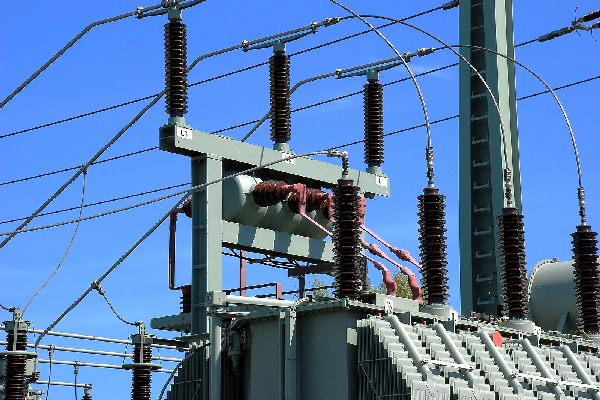
Transformer care is one of the most important parts of keeping electrical systems safe, reliable and efficient. Yet few components are surrounded by as many misconceptions as transformer cooling oil. From outdated ideas about maintenance to confusion over what the oil actually does, these myths often lead to unnecessary downtime, premature failures and avoidable costs.
Understanding the truth behind transformer cooling oil helps facility managers, engineers and technicians make better decisions, especially in environments where equipment uptime is critical.
What Transformer Cooling Oil Actually Does
Transformer oil often gets reduced to a single purpose: cooling. Although cooling is one of its core roles, it is far from the only one. The oil also provides dielectric insulation, preventing electrical discharges within the transformer. This is essential because transformers generate significant heat during normal operation, and without proper insulation, the internal components would degrade faster and become vulnerable to short circuits.
Good quality transformer cooling oil also acts as a protective barrier against moisture. Water is one of the biggest enemies of insulation systems, as it reduces dielectric strength and accelerates ageing. The oil absorbs small amounts of moisture and carries it away from key components, helping preserve the transformer’s internal structure.
A lesser-known function is the oil’s ability to dissolve gases produced by thermal or electrical faults. This characteristic is what makes dissolved gas analysis such a valuable diagnostic tool. By analysing what gases have accumulated in the oil, specialists can detect early warning signs of overheating, insulation breakdown or arcing. Understanding these functions clarifies why transformer cooling oil is far more than a simple coolant.
Myth 1: All Transformer Oils Are The Same
One of the most common misconceptions is that all transformer oils offer the same level of protection. The truth is that oil quality can vary dramatically. Mineral oils, synthetic oils and natural ester-based oils each have different chemical compositions, performance profiles and temperature tolerances.
Mineral oil is the most widely used because it is cost-effective and performs well under standard operating conditions. However, it requires careful monitoring to ensure contaminants do not accumulate over time. Synthetic oils often offer better oxidation resistance and can withstand higher temperatures, making them suitable for demanding environments. Natural ester oils are biodegradable and provide excellent fire safety due to their high flash point.
Using the wrong oil can lead to overheating, reduced equipment lifespan or compliance issues. Matching the oil to your environment, transformer design, and load profile is essential for long-term reliability.
Myth 2: Oil Only Needs Changing When Problems Occur
Waiting for a noticeable issue before changing or filtering transformer oil can be a costly mistake. Oil condition gradually deteriorates as it is exposed to heat, oxygen and contaminants. Even if the transformer appears to be functioning normally, the oil may have already lost much of its insulating strength.
Regular testing is a far better approach than reactive maintenance. Key tests include breakdown voltage, moisture content, acidity and dissolved gas analysis. These tests reveal silent problems that would otherwise go unnoticed until a failure occurs. Scheduled maintenance also reduces unexpected downtime and extends the life of the transformer.
Many facilities adopt predictive maintenance programmes that track oil condition over time. This method allows engineers to identify patterns and schedule servicing when it is most beneficial, rather than waiting for problems to escalate.
Myth 3: Dark Or Cloudy Oil Always Indicates A Serious Fault
Discolouration or cloudiness often causes immediate concern, but the appearance of the oil is not always a reliable indicator of a serious problem. Oil naturally darkens as it ages due to oxidation and the accumulation of harmless by-products, especially if transformer oil storage conditions are not ideal. In many cases, a simple filtration and reconditioning process can restore clarity and improve performance.
Cloudiness is more commonly linked to moisture rather than contamination. While moisture must be addressed promptly, it does not automatically mean the transformer has a critical internal fault. Proper diagnostic testing will determine whether the moisture level is within acceptable limits or if further action is required.
Interpreting oil appearance without considering test results can lead to unnecessary maintenance or costly oil replacement. A measured, evidence-based approach always delivers better outcomes.
Myth 4: New Oil Means Perfect Oil
Many assume that fresh oil is automatically free of contaminants, but this is not always the case. New oil may contain microscopic particles, moisture or dissolved gases, depending on how it was transported, stored or handled.
Before introducing new oil into a transformer, pre-treatment is essential. This usually involves filtration, degassing and dehydration to ensure the oil meets industry standards. The transformer tank itself must also be prepared to prevent cross-contamination. Even a small amount of residual moisture or debris can affect performance.
Skipping the pre-treatment process may save time initially, but it will likely cause issues later. Ensuring the oil is conditioned correctly protects the insulation, reduces oxidation and enhances overall reliability.
Myth 5: Transformer Oil Lasts Forever
Transformer cooling oil does not last indefinitely. Heat, oxygen exposure and electrical stress gradually degrade its chemical structure. As the oil ages, it becomes more acidic and loses its ability to insulate and cool effectively.
Some facilities operate for years without testing or changing their oil, believing that it will last the entire lifespan of the transformer. This assumption increases the risk of insulation breakdown, overheating and failure. Even the most durable synthetic oils eventually require reconditioning or replacement.
The lifespan of transformer oil depends on its quality, operating conditions and maintenance schedule. With regular monitoring and servicing, however, it is possible to significantly extend its useful life.
Why Proper Oil Management Matters
Effective transformer oil management plays a direct role in safeguarding electrical infrastructure. Clean, well-maintained oil reduces energy losses, prevents overheating and protects critical components from premature ageing. It also supports safe operation, which is especially important for high-power applications where reliability is non-negotiable.
Oil maintenance should be paired with broader equipment upkeep. For example, services like motor testing or electric motor rewinds often accompany transformer maintenance in industrial facilities. This holistic approach ensures that all parts of a power system are functioning optimally and reduces the likelihood of unexpected downtime.
Conclusion
Transformer cooling oil is far more complex than many assume. Understanding the myths and truths behind its maintenance helps ensure better performance, longer equipment life and safer operations. Whether you are managing a large transformer fleet or maintaining a single installation, regular testing, proper oil selection and timely servicing are essential.
For expert support, reliable transformer care and professional servicing solutions, visit MES to learn how our team can help keep your equipment running smoothly.

Linkedin Profile 