
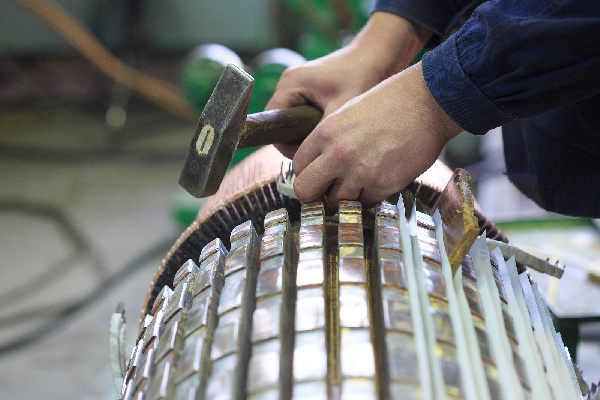
Year-end often brings a natural pause across many industries. Schedules settle, machinery slows, and teams have a chance to assess the equipment that has powered their operations through the year. This quieter stretch presents an excellent opportunity to carry out essential maintenance tasks that are difficult to accommodate during busy periods. One of the most valuable tasks to prioritise is motor rewinding, especially for facilities that rely heavily on consistent, uninterrupted motor performance.
Reduced Operational Pressure
Many companies experience lower workload cycles or temporarily scaled-down operations as the year closes. With fewer production commitments and more flexibility in scheduling, maintenance teams can take machinery offline without disrupting output.
Motor rewinds can be precise and time sensitive. They often require motors to be fully disassembled, cleaned and inspected before the rewinding process begins. When operations are at their peak, taking a motor out of commission may not be feasible. The year-end lull provides the breathing room needed for a thorough and uninterrupted rewind.
For businesses that rely on specialised services such as electric motor rewinds, scheduling during a quieter period ensures technicians can work with maximum focus and without pressure to rush the job. A slower season also reduces the risk of emergency breakdowns that tend to occur when motors are pushed beyond their limits during peak demand.
Better Availability Of Skilled Technicians
The year-end is a strategic period because service providers often have improved technician availability. Many industries slow down, allowing maintenance providers to allocate their most experienced teams to detailed tasks such as rewinding motors or assessing auxiliary components, including systems that involve electric transformer oil.
This improved access to skilled labour means motors receive the level of detail, testing and calibration they require. Complex motors used in manufacturing, marine sectors, data centres and heavy industry benefit especially from this timing. The combination of top talent and slower industry movement allows for highly accurate assessments that enhance long-term reliability.
Improved Inventory Access And Lead Times
Motor rewinds often involve replacing insulation materials, bearings, coils and damaged components. Repair workshops tend to be better stocked toward the end of the year as they prepare for new-year procurement cycles. Lead times are also often shorter because global logistics tend to stabilise before holiday closures.
This means businesses can secure parts faster, complete inspections sooner and reduce the downtime that would otherwise occur if parts were delayed. In some cases, workshops may offer year-end maintenance packages or priority handling, which further streamlines the process.
Optimal Time For Full-Year Performance Assessment
The final months of the year allow teams to review how well motors performed across the full operational cycle. By this time, clear signs of wear can be measured based on actual workloads, environmental stresses, start-stop frequency and heat exposure.
Scheduling motor rewinds during this period enables maintenance teams to analyse:
- Vibration patterns
- Thermal performance
- Insulation degradation
- Energy consumption levels
- Efficiency losses over time
A year-end rewind ensures motors start the new year at peak performance, free from accumulated wear that might compromise early quarter productivity. It also prepares facilities for upcoming operational targets, planned expansions or anticipated peak seasons.
Cost Efficiency And Budget Planning
One of the most practical reasons to schedule motor rewinds at year-end is budget alignment. Many companies aim to make full use of their maintenance budgets before new allocations begin. A motor rewind is a cost-effective way to protect high-value equipment, reduce the risk of expensive replacements and meet internal cost-use requirements.
Preventive rewinding is significantly more affordable than emergency repairs. When motors fail unexpectedly, businesses face not just repair costs but also downtime losses, expedited shipping fees and potential penalties from delayed production. By planning rewinds before the year closes, companies maintain financial control and protect their annual budget continuity.
Preparation For Upcoming Projects
The start of a new year often brings new contracts, increased production requirements or scheduled facility expansions. Ensuring motors are fully serviced before these commitments begin helps teams enter the year with confidence.
A fully rewound motor operates more efficiently, draws less power and reduces the risk of overheating or breakdowns. This positions businesses to meet new demands without interruptions. Year-end preparation also helps maintenance managers map out the next twelve months of servicing based on the motor’s newly refreshed condition.
Enhanced Energy Efficiency
Motor rewinds play a significant role in restoring energy efficiency that may have declined over time due to insulation breakdown, worn bearings or coil distortion. A rewound motor is recalibrated to operate as close as possible to its original performance standards. This can result in lower power consumption and reduced electrical costs.
Energy-efficient motors are especially valuable for sectors that run machinery round the clock. When performed before the new year, the benefits are felt from the first day of operation and continue throughout the coming months. This helps companies achieve both sustainability and cost-saving targets.
Strengthened Reliability During Peak Seasons
Many industries experience increased demand in the early part of the year. Retail, manufacturing, logistics and construction often see heightened activity once holiday closures end.
By completing motor rewinds during year-end, businesses can ensure their equipment is robust and ready for peak workloads. A freshly serviced motor offers:
- Greater thermal stability
- Improved torque performance
- Lower vibration risks
- More consistent speed regulation
This reliability is essential for preventing production interruptions during peak months when downtime is most costly.
Strategic Maintenance Planning
Year-end is also a natural checkpoint for maintenance planning. It allows teams to evaluate which motors may need rewinds in the coming year, identify those approaching end-of-life and prepare for capital equipment upgrades.
By scheduling motor rewinds in this period, businesses can build an updated maintenance roadmap, reduce mid-year surprises and adopt a predictive maintenance strategy that improves long-term sustainability.
Conclusion
Year-end offers a uniquely advantageous window to schedule motor rewinds thanks to reduced operational pressure, better technician availability, improved inventory access and a clearer assessment of yearly performance. It supports cost efficiency, energy savings and reliability for the year ahead.
For facilities looking to begin the new year with stronger, more dependable equipment, partnering with a trusted service provider is key. Explore professional motor rewinding services and comprehensive electrical maintenance solutions at MES.

Linkedin Profile 