
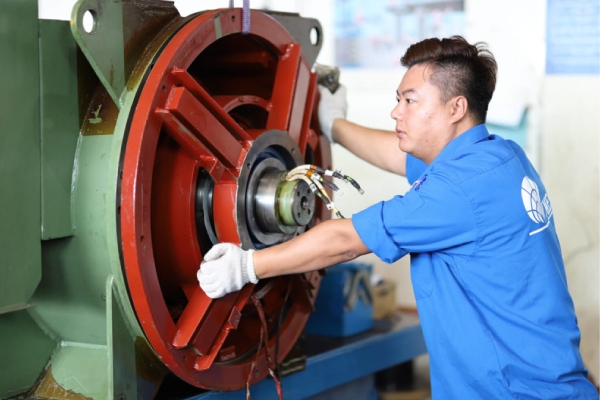
Reliable power matters more than most people realise. When a generator or alternator fails unexpectedly, the disruption can ripple through an entire operation. Businesses may face halted production, damaged equipment, or costly delays. For facilities that rely on continuous power supply, keeping generators in proper working condition is not simply good practice. It is essential.
Maintenance plays a crucial role in ensuring that generators remain dependable, efficient, and safe. Rather than waiting for faults to appear, regular upkeep focuses on preventing issues before they develop into serious problems.
Understanding the core functions of generator maintenance helps organisations appreciate why these practices matter and how they protect both equipment and operations.
Why Generator Maintenance Matters
Generators and alternators operate under demanding conditions. Electrical loads fluctuate, components experience heat and vibration, and internal parts must work in perfect coordination.
Over time, even the most well-built systems experience wear. Insulation can deteriorate, connections can loosen, and internal components can accumulate dust or moisture.
Routine generator maintenance in Singapore is especially important because the local climate adds additional stress to electrical systems. High humidity, heat, and environmental contaminants can accelerate insulation degradation and corrosion if equipment is not properly maintained.
Maintenance programmes are designed to address these risks early. By inspecting, testing, and servicing critical components regularly, engineers can identify minor issues before they escalate into serious failures.
Ultimately, the goal is simple: keep generators running reliably and stop downtime before it disrupts operations.
Function 1: Inspection and Condition Monitoring
The first core function of generator maintenance is regular inspection.
Inspections allow technicians to observe the physical and electrical condition of the generator. While this might sound basic, systematic inspection often reveals early warning signs that would otherwise go unnoticed.
Common inspection checks include:
- Visual examination of stator and rotor components
- Checking insulation condition
- Looking for dust, moisture, or oil contamination
- Inspecting electrical connections for looseness or corrosion
- Monitoring vibration levels
- Checking cooling pathways and ventilation
These inspections help maintenance teams detect abnormalities early. For example, a small crack in insulation or a loose connection may seem insignificant at first. However, if left unresolved, these issues can lead to overheating, electrical faults, or winding damage.
Condition monitoring helps organisations shift from reactive repairs to proactive maintenance.
Function 2: Electrical Testing
Electrical testing is one of the most important elements of generator maintenance.
Generators rely on insulation systems to safely contain electrical current within windings. When insulation begins to deteriorate, the risk of short circuits or ground faults increases significantly.
Regular electrical testing allows engineers to assess insulation health and identify degradation before failure occurs.
Some commonly used tests include:
Insulation resistance testing
Measures how well insulation prevents current leakage.
Polarisation index testing
Helps determine insulation dryness and contamination levels.
Winding resistance testing
Ensures electrical windings maintain consistent resistance levels.
Surge comparison testing
Detects turn-to-turn faults in windings.
These tests provide valuable data about the generator’s internal condition. By tracking results over time, maintenance teams can identify trends and plan repairs or rewinds before serious damage occurs.
Electrical testing essentially provides a diagnostic view into the generator’s health.
Function 3: Cleaning and Environmental Control
Dust, humidity, and contaminants are among the most common causes of generator performance issues.
Even when a generator is properly installed, airborne particles can accumulate inside ventilation channels, windings, and electrical panels. Over time, these deposits can trap moisture and reduce insulation effectiveness.
Cleaning is therefore a core maintenance function.
Professional cleaning methods may include:
- Dry ice blasting
- Vacuum cleaning
- Compressed air cleaning
- Solvent wiping of sensitive components
The goal is to remove contaminants without damaging delicate insulation materials.
Environmental control also plays a key role. Maintenance teams check ventilation systems, airflow pathways, and cooling structures to ensure that the generator operates within proper temperature limits.
When cleaning and environmental control are neglected, heat buildup can accelerate insulation ageing and reduce generator lifespan.
Function 4: Mechanical and Electrical Component Servicing
Generators rely on many interconnected components working together smoothly.
Over time, mechanical stresses and electrical loads can gradually affect these parts. Servicing ensures that components remain aligned, secure, and fully functional.
Typical servicing activities include:
- Tightening electrical connections
- Checking mounting structures and supports
- Inspecting bearings within the alternator assembly
- Verifying rotor alignment
- Ensuring proper electrical contact surfaces
Even small mechanical issues can affect electrical performance. Misalignment, for example, may increase vibration, which can eventually damage insulation or windings.
Servicing focuses on maintaining stability throughout the system so that the generator operates smoothly and efficiently.
Function 5: Repair, Reconditioning, and Rewinding
Despite careful maintenance, components may eventually reach the end of their service life. When this happens, repair and reconditioning become necessary.
One common service is generator rewinding. Over time, insulation surrounding the windings may degrade due to heat, moisture, or electrical stress. Rewinding replaces worn insulation and restores the electrical integrity of the generator.
The rewinding process typically involves:
1. Removing damaged windings
2. Cleaning the core thoroughly
3. Installing new insulated windings
4. Applying high-quality insulation materials
5. Conducting electrical tests to verify performance
Reconditioning services may also include insulation upgrades or structural improvements that extend the generator’s operational lifespan.
Rather than replacing the entire machine, these repairs restore performance while remaining cost-effective.
Creating an Effective Maintenance Strategy
Understanding the core functions of maintenance is helpful, but implementation matters just as much.
An effective maintenance strategy usually combines several approaches:
Preventive maintenance
Regular inspections and servicing at scheduled intervals.
Predictive maintenance
Using testing data and monitoring tools to forecast potential failures.
Corrective maintenance
Repairing or replacing components once faults are detected.
Facilities that integrate these approaches benefit from greater reliability and reduced operational risk.
Maintenance schedules should also reflect the generator’s operating environment, usage levels, and criticality within the facility.
Generators that support essential systems often require more frequent inspections and testing.
The Long-Term Value of Proper Generator Care
Generator maintenance is sometimes seen as a routine operational cost. In reality, it is an investment in reliability.
When generators are properly maintained, organisations benefit from:
- Longer equipment lifespan
- Reduced risk of unexpected breakdowns
- Improved electrical efficiency
- Lower repair costs over time
- Greater operational stability
Neglecting maintenance, on the other hand, can lead to sudden failures that require extensive repairs or full equipment replacement.
Reliable power systems depend on consistent attention to detail.
Conclusion
Generators play a vital role in maintaining electrical reliability across many facilities. Understanding the five core functions of generator maintenance: inspection, electrical testing, cleaning, component servicing, and repair, highlights how each step contributes to long-term performance.
When these maintenance practices are carried out regularly and professionally, generators remain dependable and efficient even under demanding conditions.
If your organisation needs expert support in maintaining alternators and generators, MES provides specialised services to help protect your equipment, extend its lifespan, and ensure reliable performance for years to come.