
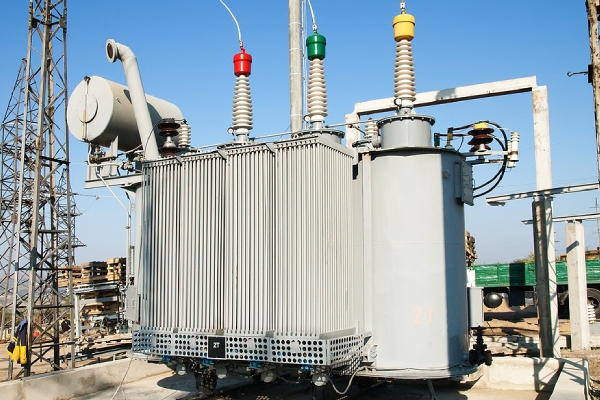
Reliable power systems depend on many components working quietly behind the scenes. Transformers are one of the most important. They step voltage levels up or down so electricity can move safely from power plants to factories, offices, and homes. Because they operate continuously, often under heavy electrical loads, transformers rely on proper insulation and cooling to remain stable.
One key element supporting this process is transformer insulating oil. While it rarely attracts attention during daily operations, its condition directly affects how safely and efficiently a transformer functions. When the oil begins to degrade, the risks to the entire power system can increase in ways that are not always immediately visible.
Understanding why transformer oil deteriorates, how it affects equipment, and what organisations can do about it helps prevent costly failures and unexpected downtime.
Why Transformer Oil Matters
Inside a transformer, electrical components generate heat as electricity flows through windings and cores. Excess heat can damage insulation materials and shorten the lifespan of the equipment. Transformer oil plays two essential roles in preventing this.
First, it acts as a coolant. The oil circulates through the transformer, absorbing heat and transferring it away from critical components.
Second, it serves as an insulating medium. High-voltage electricity requires strong insulation to prevent internal arcing or electrical breakdown. Transformer oil fills the spaces between internal parts, reducing the risk of electrical faults.
When oil is clean and in good condition, it supports both cooling and insulation effectively. But like many materials exposed to heat and electrical stress over time, transformer oil gradually changes.
What Causes Transformer Oil Degradation?
Transformer oil does not remain chemically stable forever. Several factors contribute to its deterioration.
Heat and oxidation are among the most common causes. Transformers generate heat during normal operation. When oil is repeatedly exposed to elevated temperatures and oxygen, it begins to oxidise. This chemical reaction produces acids and sludge that alter the oil’s properties.
Moisture contamination is another concern. Water can enter the transformer through ageing seals, condensation, or environmental exposure. Even small amounts of moisture can weaken the oil’s insulating ability and accelerate degradation.
Solid particle contamination also plays a role. Over time, insulation materials within the transformer can break down and release particles into the oil. Dust, metal fragments, and carbon deposits may accumulate, affecting the oil’s dielectric strength.
Electrical stresses contribute as well. High voltage conditions can cause microscopic discharges within the oil. These partial discharges slowly damage the oil’s structure and produce gases that signal internal problems.
Early Signs That Oil Quality Is Declining
Transformer oil degradation rarely causes immediate, obvious failures. Instead, the changes usually develop gradually. Because the process is slow, the warning signs may be overlooked until the problem becomes serious.
One indicator is increased acidity. As oxidation progresses, acidic compounds form within the oil. These acids can attack internal insulation materials and accelerate overall ageing.
Another sign is sludge formation. Sludge is a thick, sticky substance created when oxidised oil compounds settle inside the transformer. It can coat internal surfaces and interfere with heat transfer.
A drop in dielectric strength is also concerning. Dielectric strength measures the oil’s ability to resist electrical breakdown. When contaminants such as moisture or particles accumulate, the oil becomes less capable of insulating high voltages.
Gas generation may also occur. Dissolved gas analysis (DGA) tests can detect gases created by electrical faults or overheating, providing valuable clues about the condition of both the oil and the transformer itself.
The Hidden Risks of Poor Oil Condition
Oil degradation might not seem urgent at first glance. After all, transformers often continue operating even when oil quality begins to decline. However, ignoring the problem can create serious long-term risks.
One major concern is reduced insulation reliability. When oil loses its insulating strength, the likelihood of internal electrical faults increases. Arcing inside a transformer can cause severe damage and may lead to complete equipment failure.
Cooling efficiency can also decline. Sludge deposits may block cooling channels and restrict oil circulation. This causes internal temperatures to rise, accelerating the ageing of insulation materials and transformer components.
Operational reliability may suffer as well. Unexpected transformer failures can disrupt industrial processes, manufacturing operations, or power distribution networks. Repairs and replacements often involve significant costs and extended downtime.
All these risks illustrate why neglecting transformer oil quality can gradually compromise an entire power system without obvious warning.
Why Regular Oil Testing Is Important
Routine oil testing helps operators detect problems long before they escalate into equipment failures. Instead of waiting for visible damage, maintenance teams can monitor the chemical and electrical properties of transformer oil.
Several tests are commonly used.
Breakdown voltage (BDV) testing measures the oil’s dielectric strength. A lower breakdown voltage suggests contamination or deterioration.
Moisture analysis identifies the presence of water in the oil, which can reduce insulation performance.
Acidity testing measures the concentration of acids produced during oxidation. Higher acidity levels indicate ageing oil.
Dissolved gas analysis (DGA) evaluates gases generated by internal faults such as overheating or electrical discharge.
These tests provide valuable insights into both the oil’s condition and the transformer’s internal health.
Maintenance Strategies That Protect Transformers
Maintaining transformer oil quality does not always require replacing the entire oil supply. In many cases, preventive maintenance and treatment methods can restore its performance.
Oil filtration and dehydration remove moisture and solid particles. This process improves dielectric strength and helps extend oil life.
Oil reclamation may also be used when oxidation products accumulate. Special treatment systems remove sludge, acids, and contaminants, restoring the oil’s chemical stability.
Another strategy involves improving sealing systems to reduce moisture ingress. Proper sealing helps prevent contamination from entering the transformer environment.
Regular monitoring schedules are equally important. Establishing periodic testing intervals allows maintenance teams to identify trends and take action before oil degradation becomes severe.
The Cost of Waiting Too Long
Some organisations delay oil maintenance because transformers appear to operate normally. Unfortunately, by the time performance problems become obvious, internal damage may already be extensive.
Transformer failures can involve more than equipment replacement costs. Businesses may experience:
- Production interruptions
- Safety hazards
- Emergency repair expenses
- Damage to surrounding electrical systems
Replacing a large industrial transformer can take weeks or even months due to manufacturing lead times. Preventive maintenance is usually far less expensive and disruptive.
Taking oil conditions seriously therefore protects both equipment reliability and operational continuity.
Building a Preventive Maintenance Culture
Effective transformer management goes beyond occasional inspections. It requires a proactive approach that integrates testing, monitoring, and maintenance planning.
Maintenance teams benefit from maintaining clear records of oil analysis results over time. These records help identify gradual changes in oil condition that might otherwise go unnoticed.
Training staff to recognise early warning signs also supports better decision-making. When operators understand the role transformer oil plays, they are more likely to prioritise timely testing and treatment.
Working with experienced electrical engineering specialists can further improve maintenance strategies, particularly for facilities operating large or critical transformers.
Conclusion
Transformer oil rarely draws attention during daily operations, yet its condition directly influences the reliability and safety of power systems. Gradual degradation caused by heat, moisture, oxidation, and electrical stress can quietly weaken a transformer’s insulation and cooling capabilities.
Without proper monitoring and maintenance, small changes in oil quality may develop into significant operational risks. Regular testing, filtration, and preventive maintenance help extend transformer lifespan and reduce the likelihood of unexpected failures.
If your organisation wants to ensure long-term power system reliability, partnering with experienced specialists makes a difference. MES provides professional transformer oil testing, treatment, and maintenance solutions designed to keep critical electrical equipment operating safely and efficiently. Reach out to MES to safeguard your transformers and maintain dependable power for your operations.