
Electric motors sit quietly behind many industrial operations. Pumps, compressors, conveyors, and fans all rely on them to keep production moving. When a motor fails, one of the first questions maintenance teams ask is whether the motor should be rewound or replaced entirely.
Motor rewinding can be a cost-effective way to extend the life of an industrial motor, but it is not something that can be done endlessly without consequences. Each rewind changes the motor slightly, and understanding how many rewinds are safe can help businesses make better maintenance decisions.
Let’s look at how motor rewinding works, how it affects performance, and how many times a motor can realistically be rewound.
What Happens During a Motor Rewind
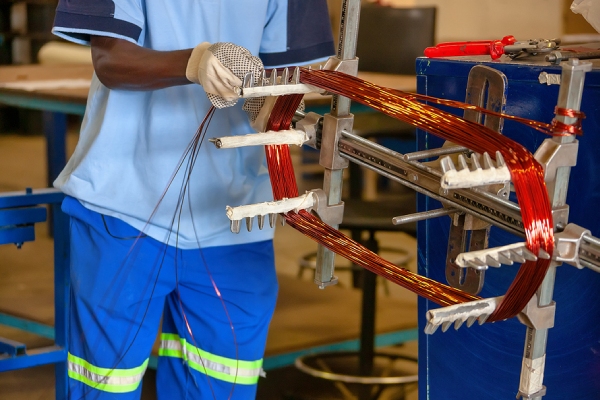
Motor rewinding involves replacing the damaged or worn-out copper windings inside the stator of an electric motor. These windings are responsible for creating the magnetic field that allows the motor to rotate.
When a rewind is carried out, technicians typically:
- Remove the burnt or damaged windings
- Clean the stator core
- Insert new insulated copper windings
- Reassemble and test the motor
If the process is done carefully, the motor can perform almost like new again. Many industries rely on rewinding to reduce equipment downtime and avoid the higher cost of purchasing a brand-new motor.
Businesses that use electric motor rewinds in Singapore often turn to specialised repair companies with the right equipment and technical expertise. A high-quality rewind restores the motor’s functionality and helps maintain operational reliability.
Why Motors Need Rewinding
Motor windings can fail for several reasons. Over time, heat, vibration, electrical stress and environmental factors gradually degrade the insulation around the copper wires.
Common causes of winding failure include:
Overheating
Excessive heat breaks down insulation and eventually causes short circuits.
Voltage imbalances
Uneven electrical supply creates uneven current flow, stressing the windings.
Contamination
Dust, moisture, and oil can damage insulation materials.
Mechanical wear
Vibration and bearing issues can indirectly affect the winding integrity.
When these problems occur, rewinding allows the motor to be repaired without replacing the entire unit.
The General Rule: How Many Rewinds Are Safe?
Most industrial motors can be safely rewound two to three times during their lifespan if the process is performed correctly.
This number is not a strict limit, but it reflects practical experience across many industries. After several rewinds, the stator core and insulation system may begin to degrade, which can affect efficiency and reliability.
Key factors that influence how many times a motor can be rewound include:
- Motor size and design
- Operating conditions
- Quality of previous rewinds
- Core condition
- Thermal history of the motor
A well-maintained motor that operates under stable conditions may tolerate multiple rewinds, while motors exposed to frequent overheating may reach their limit sooner.
Why Repeated Rewinding Can Affect Performance
Every rewind requires heating the stator to remove the old windings. This heating process can gradually affect the magnetic properties of the stator core.
When the core insulation deteriorates, core losses increase. This means the motor becomes less efficient and may generate more heat during operation.
Potential effects of repeated rewinding include:
- Reduced energy efficiency
- Increased operating temperature
- Higher electricity consumption
- Shorter operating lifespan
These changes may not be noticeable immediately, but they accumulate over time.
The Importance of Proper Rewinding Techniques
Not all rewinds are equal. The skill of the technician and the repair procedures used can significantly influence the motor’s performance after rewinding.
Professional motor repair companies follow strict procedures to minimise damage to the stator core and ensure the new windings match the original design.
Good rewinding practices include:
- Careful removal of old windings without excessive heat
- Testing the stator core for damage
- Using high-quality insulation materials
- Maintaining correct winding patterns and coil spacing
- Performing electrical testing after reassembly
These steps help ensure the repaired motor operates safely and efficiently.
Reliable maintenance practices also support safe and efficient motor installation, which helps prevent premature failures after repairs.
Signs a Motor Should Be Replaced Instead
While rewinding can extend a motor’s life, there are situations where replacement is the better option.
A motor may be better replaced if:
The stator core is severely damaged
Core lamination damage reduces efficiency and increases heat.
The motor has been rewound several times already
Additional rewinds may not justify the cost.
The motor design is outdated
Older motors may consume significantly more energy.
Frequent breakdowns occur
Repeated failures may indicate deeper mechanical or electrical issues.
Modern high-efficiency motors often consume less energy, which can offset the higher upfront cost through long-term savings.
Evaluating the Cost of Rewinding vs Replacement
Maintenance teams often weigh the cost of rewinding against the cost of replacing a motor.
Rewinding is typically cheaper for large industrial motors, where replacement costs can be substantial. For smaller motors, replacement may sometimes be more economical.
Factors to consider include:
- Cost of rewinding
- Cost of a new motor
- Energy efficiency improvements
- Downtime costs
- Expected remaining lifespan
A professional inspection can help determine whether rewinding remains the most practical option.
Preventing Frequent Motor Rewinds
Reducing the need for rewinds starts with proper maintenance and monitoring. Many winding failures occur because early warning signs are ignored.
Preventive maintenance strategies include:
Regular insulation testing
Helps detect insulation breakdown before failure occurs.
Monitoring operating temperature
Overheating is a leading cause of winding damage.
Checking voltage balance
Ensures electrical supply remains stable.
Routine bearing inspections
Mechanical problems can indirectly damage windings.
Keeping motors clean and dry
Contamination accelerates insulation deterioration.
These practices help extend motor lifespan and reduce unexpected failures.
The Value of Expert Motor Assessment
Before deciding whether to rewind or replace a motor, it is helpful to have the unit inspected by experienced technicians.
A thorough evaluation typically includes:
- Insulation resistance testing
- Core loss testing
- Visual inspection of stator and rotor components
- Performance analysis
This information allows engineers to recommend the most practical repair strategy based on the motor’s condition and operational requirements.
Conclusion
Motor rewinding remains one of the most practical ways to extend the lifespan of industrial equipment. When performed properly, a rewind can restore performance and delay the need for costly replacements.
Most industrial motors can be safely rewound two or three times before efficiency and reliability begin to decline. The exact number depends on factors such as operating conditions, core condition and the quality of previous repairs.
Understanding when to rewind and when to replace helps businesses control maintenance costs while keeping operations running smoothly.
If you are assessing the condition of your industrial motors or considering repair options, the experienced team at MES can help. Our specialists provide professional inspection, maintenance and repair services to keep your equipment operating reliably and efficiently. Reach out to MES to discuss the best solution for your motor maintenance needs.