
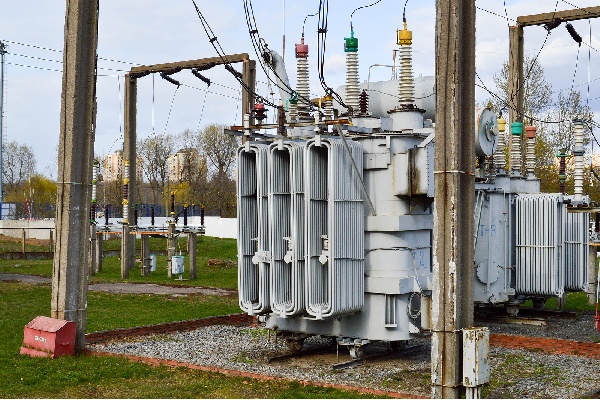
Transformers are essential in ensuring reliable power distribution, but they also pose potential fire hazards if not designed, installed, and maintained properly. With incidents of transformer fires making headlines globally, facility owners and electrical engineers are paying closer attention to preventive measures.
From selecting the right transformer fluids to implementing sound installation practices, every decision contributes to a safer and more resilient electrical infrastructure.
Understanding The Causes Of Transformer Fires
Transformer fires typically stem from overheating, insulation failure, or internal arcing. When faults occur inside the transformer tank, the temperature can rise rapidly, igniting the insulating materials or fluids. The pressure build-up that follows can lead to tank rupture or even explosions.
Common causes include poor ventilation, overloading, deteriorating insulation, and contamination of transformer fluids. For instance, moisture ingress or oxidation can reduce the dielectric strength of insulating oil, increasing the risk of breakdowns. To prevent such issues, regular inspections and fluid testing are crucial for detecting early warning signs before they escalate.
Importance Of Transformer Design In Fire Prevention
The foundation of fire safety begins at the design stage. A well-designed transformer considers both performance efficiency and risk mitigation. Key aspects such as insulation materials, tank construction, and protective devices can significantly reduce the chances of fire incidents.
Modern transformers are increasingly equipped with pressure relief devices, temperature sensors, and Buchholz relays that automatically detect and isolate faults. Enclosures made from non-flammable or flame-retardant materials also help to contain fire in the event of a malfunction.
Another crucial design consideration is the choice of cooling system. Forced oil or air cooling mechanisms must be properly rated to handle the expected load. When cooling is inadequate, hotspots may form, degrading insulation and potentially triggering ignition. Regular transformer oil diagnostics can help detect early signs of overheating or contamination before they escalate into major issues.
Additionally, transformers installed indoors or in urban environments often require compact and sealed designs to prevent oil leaks and contamination, both of which can lead to safety risks.
Best Practices For Safe Transformer Installation
Even the most robustly designed transformer can become hazardous if poorly installed. Installation is where engineering precision meets practical execution. To ensure fire safety, installers must adhere to local electrical codes and international standards such as IEC 60076.
Some of the key installation practices include:
- Proper grounding: A well-grounded system dissipates fault currents safely, reducing the likelihood of arcing.
- Adequate spacing: Transformers should be positioned with sufficient clearance from walls, ceilings, and other equipment to prevent heat accumulation.
- Ventilation and cooling: Rooms housing transformers should have natural or forced ventilation to maintain optimal operating temperatures.
- Fire barriers: In substations or industrial plants, firewalls or fire-resistant enclosures are used to contain potential flames and prevent spread to adjacent equipment.
- Leak detection systems: For oil-filled units, these systems detect fluid loss or pressure changes early, helping to avert major incidents.
Proper installation not only safeguards property but also protects personnel from potential electrical and thermal hazards.
Role Of Transformer Fluids In Fire Safety
The choice of insulating medium plays a decisive role in a transformer’s fire resistance. Traditional mineral oils, while widely used, are flammable and can worsen fire severity. This has prompted a shift toward more sustainable and fire-resistant options.
Synthetic esters and natural esters have emerged as preferred alternatives for many facilities. These fluids are biodegradable, have higher flash and fire points, and offer better moisture tolerance. Natural ester fluids, derived from vegetable oils, can withstand temperatures above 300°C before ignition, significantly lowering fire risks compared to conventional oils.
Furthermore, ester-based fluids reduce the likelihood of explosive pressure build-up, since they generate fewer flammable gases during fault conditions. This makes them suitable for transformers installed in high-risk environments such as hospitals, tunnels, and residential buildings.
When performing electric motor rewinds or replacing ageing transformers, engineers often take the opportunity to upgrade to modern insulation and fluid systems that comply with current fire-safety standards. Selecting the right transformer fluids can therefore improve both performance and peace of mind.
Maintenance Practices That Enhance Fire Safety
Routine maintenance is vital to keeping transformers safe and efficient. Fire risks increase significantly when components are neglected or operated beyond their design limits.
A comprehensive maintenance plan should include:
- Regular fluid analysis: Testing for dielectric strength, acidity, and moisture content helps assess the health of insulating fluids.
- Thermal imaging: Detects overheating connections and winding issues early.
- Mechanical inspections: Checking gaskets, seals, and valves prevents leaks that can lead to fluid ignition.
- Protective device calibration: Ensures that relays and sensors respond promptly during fault conditions.
Transformers that are subjected to heavy loads or located in humid environments require more frequent assessments. Predictive maintenance technologies, including dissolved gas analysis (DGA), can further help in identifying internal arcing or partial discharges before visible damage occurs.
Fire Suppression And Protection Systems
Even with proper design and maintenance, having a robust fire suppression system adds an extra layer of protection. Traditional systems such as water sprinklers may not always be suitable for electrical equipment, as they can exacerbate damage or cause short circuits.
Modern alternatives include:
- Inert gas systems (e.g. nitrogen or CO₂), which displace oxygen to smother flames.
- Dry chemical systems, which use non-conductive agents to extinguish electrical fires safely.
- Automatic fire detection systems, integrated with temperature and smoke sensors that trigger alarms and suppression mechanisms instantly.
It’s also important to conduct regular fire drills and ensure that personnel are trained in emergency response procedures. Quick, coordinated action can minimise damage and restore power faster after an incident.
Moving Toward Safer And More Sustainable Transformers
With sustainability and safety now top priorities, the electrical industry is embracing innovations in transformer technology. Fire-resistant fluids, intelligent monitoring systems, and modular designs are transforming how power systems operate.
Newer transformers are being built to combine energy efficiency with superior fire resilience. Smart sensors, for instance, continuously monitor temperature, vibration, and fluid quality, allowing for predictive maintenance and early intervention.
As governments and industries push toward greener energy systems, the adoption of non-flammable, biodegradable fluids will continue to grow. Not only do they enhance fire safety, but they also reduce environmental impact during disposal or spillage.
Conclusion
Transformer fire-safety requires a comprehensive approach – one that begins with careful design, continues through correct installation, and relies on vigilant maintenance. Every decision, from selecting the right transformer fluids to upgrading fire suppression systems, contributes to safer electrical networks and reduced downtime.
For organisations looking to improve safety and reliability in their power systems, MES offers expertise in transformer design, servicing, and maintenance.