
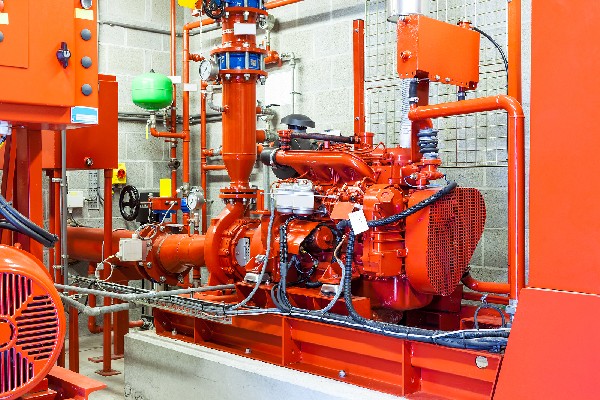
For businesses that rely on uninterrupted power to maintain critical operations, investing in a motor generator can be a strategic solution. In the event of power fluctuations or outages, motor generators provide a stable and reliable supply of electricity, protecting sensitive equipment and ensuring workflows continue smoothly. By converting and conditioning power as needed, they act as a safety net that keeps operations running seamlessly without disruption.
Yet, like any other critical piece of industrial equipment, generators are not immune to issues. A particularly common and damaging problem is overheating. Much like electric motors, which sometimes require electric motor rewinds when heat damage occurs, generators are vulnerable to excessive temperatures that can compromise performance, shorten component life, and in severe cases, cause catastrophic failure. While a single motor failure may still allow some processes to continue, the loss of a generator can mean inadequate power and a complete shutdown until the main grid is restored.
Understanding why generators overheat, what happens when they do, and how to prevent it is essential for businesses that depend on reliable standby or continuous power.
How Can a Generator Overheat?
Although modern generators are robust, they are not immune to overheating. Excessive heat build-up can stem from several underlying causes, each of which has its own risks and warning signs.
1. Mechanical and Electrical Component Issues
Generators rely on a combination of mechanical and electrical systems to operate efficiently. Overheating can occur if key components such as rotors, alternators, bearings, or insulation are stressed, worn, or not properly maintained. Faulty or aging parts can reduce heat dissipation and increase the risk of component failure.
Some common coolant-related problems include:
- Low coolant levels caused by overuse or leaks from worn gaskets or loose clamps.
- A damaged radiator cap that prevents the coolant from flowing properly.
- Faulty gauges that fail to trigger the cooling cycle.
- Collapsed or blocked hoses that restrict coolant flow.
When these issues go undetected, the generator struggles to shed heat effectively, raising the risk of serious mechanical strain.
2. Overloading
Generators are engineered to operate within a defined power capacity. Overloading a generator and making it run beyond that capacity causes overheating as the alternator is forced to deliver more output than they were designed for.
Even if the generator is not technically overloaded, irregular load distribution can create the same effect. This uneven demand stresses certain components, which then heat up disproportionately. Over time, this not only reduces efficiency but also shortens the generator’s operational lifespan.
The principle is much the same as with electric motors: consistent overloading accelerates wear, damages insulation, and creates dangerous heat build-up.
3. Inadequate Maintenance
A lack of proper upkeep is one of the most preventable causes of overheating. Without scheduled generator maintenance, minor problems can quickly escalate into major heat-related failures.
Some typical issues include:
- Low oil levels leading to friction and excess heat among moving parts.
- Faulty exhaust components restricting heat expulsion.
- Accumulated debris around vents and intakes obstructing airflow.
Regular inspections, lubrication, and filter changes are therefore essential to prevent breakdowns caused by overheating.
4. Environmental Factors
The operating environment plays a significant role in generator performance. High ambient temperatures reduce the efficiency of heat dissipation, while high altitudes lower air density, reducing oxygen intake and cooling capacity.
In humid environments, the coolant and surrounding air can reach similar temperatures, making it difficult for the system to offload heat effectively. This combination of environmental stresses can leave even a well-maintained generator struggling to regulate its internal temperature.
What Happens When a Generator Overheats?
Excessive temperatures compromise the integrity of critical components in a generator, increasing the likelihood of costly damage and downtime. One of the first casualties is often the voltage regulator. Once this fails, electrical insulation can melt, wires may deform, and in worst-case scenarios, fires can break out. Other vulnerable components include:
- Radiator cores
- Head gaskets
- Rotors
- Alternators
- Bearings
- Exhaust valves
As temperatures rise, other operational challenges also surface:
- Unexpected automatic shutdowns, often during critical operations
- Reduced power output (derating) as the system protects itself
- Accelerated component wear and degradation
- Shortened oil lifespan, leading to increased friction
- Higher fuel consumption and pollutant emissions
- Malfunctioning sensors and electrical systems
Left unchecked, overheating can both shorten a generator’s working life and lead to dangerous situations that put facilities and workers at risk.
Best Practices for Preventing Generator Overheating
While overheating is a serious threat, it is also largely preventable. Businesses that prioritise proactive measures can safeguard their generators and avoid unnecessary downtime.
1. Follow Comprehensive Maintenance Routines
Adhering to the manufacturer’s recommended service schedule is the most effective way to prevent overheating. Some key practices include:
- Keeping oil and coolant at proper levels.
- Inspecting exhausts and pipes for blockages.
- Using manufacturer-approved fuels, oils, and coolants.
- Running the generator periodically to keep systems lubricated.
- Cleaning vents and exterior surfaces to remove debris.
- Promptly addressing small faults before they escalate.
- Replacing oil and air filters regularly.
- Checking for leaks, corrosion, and other early warning signs.
Routine maintenance serves to extend generator lifespan and, most importantly, ensure uninterrupted reliability when the generator is needed most.
2. Operate Within Manufacturer Guidelines
Safe operation is just as important as mechanical upkeep. This includes:
- Placing the generator in a well-ventilated, secure area.
- Avoiding overfilling with fuel or oil.
- Using high-quality fuel to prevent contaminant build-up.
- Ensuring load management systems are in place to avoid strain.
When followed consistently, these practices reduce unnecessary heat generation and stress on the system.
3. Avoid Overloading
As highlighted earlier, overloading is one of the fastest routes to overheating. Businesses should invest in generators that meet or exceed their energy needs rather than continuously running smaller units beyond their limits.
Load monitoring systems can help operators understand usage patterns and prevent dangerous spikes in demand.
4. Invest in Cooling Upgrades
In situations where overheating risks persist despite regular maintenance, additional cooling solutions may be worth looking into. Examples include:
- High-capacity radiators for better heat exchange.
- Premium coolant formulations with superior thermal performance.
- Larger oil reservoirs or improved filtration for cleaner, cooler oil.
- Synthetic oils that withstand higher temperatures.
- Enhanced fans with higher CFM ratings or multi-fan configurations.
By improving heat management, these enhancements reduce wear and extend the operational lifespan of the generator.
Conclusion
Generators are indispensable assets for businesses that cannot afford operational downtime. Yet, their reliability is threatened when overheating occurs. Thankfully this issue is largely preventable by taking a proactive approach. In doing so, the result is not just reduced risk of overheating but also improved efficiency, lower costs, and long-term peace of mind.