
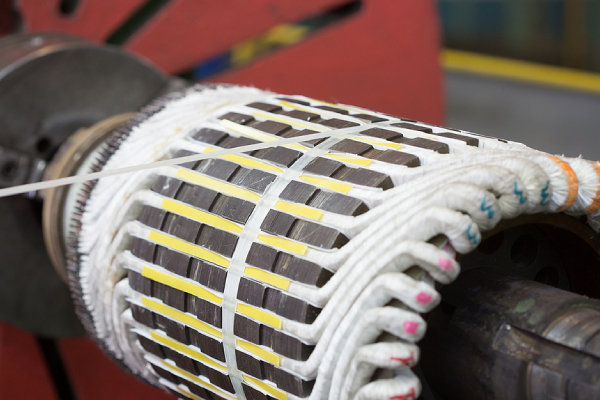
Electric motors are the lifeblood of virtually all industrial machinery, driving pumps, conveyors, compressors, and more. Their operational integrity directly influences production efficiency and uptime. But over time, even the most durable motors can experience issues such as electrical faults, insulating degradation, or mechanical wear. In many such cases, opting for an electrical motor rewind in Singapore is the most practical and cost-effective means of restoring a motor’s condition and performance.
Rewinding allows you to retain the motor’s structural components—housing, rotor, bearings—saving on capital costs and reducing downtime. New motors often involve long lead times, extensive installation, and compatibility challenges. A rewind, in contrast, typically restores performance more quickly and without disrupting system integration. If your equipment ever runs into these prominent issues, you might want to consider getting motor rewinding as soon as possible.
1. Sudden Motor Failure Caused By Insulation Breakdown
Motor windings rely on insulation to prevent shorts and maintain performance. That insulation degrades over time through thermal cycling, dust accumulation, moisture ingress, or voltage spikes. When insulation fails, testing will indicate low resistance, or you may observe visible signs like charring or burnt windings, followed by abrupt motor failure.
In this scenario, rewinding replaces the compromised coils, reinstating electrical integrity and ensuring safe, efficient operation. Professional services may even use enhanced insulation materials, offering better thermal resistance for longer motor life.
2. Persistent Overheating or Torque Loss
If your motor continually runs hot or struggles to maintain expected torque, it’s a red flag for underlying electrical issues that often stem from degraded winding insulation or broken strands. Motor overheating issues not only cause diminished efficiency but also accelerate insulation breakdown and weaken bearings and mechanical components.
A rewind service can rebalance magnetic flux, restore proper wire gauge, and improve heat transfer. This reinstates both torque output and thermal stability, effectively rejuvenating the unit and often paying back the investment via reduced energy consumption and fewer service calls.
3. Excessive Vibration or Abnormal Noise
Mechanical symptoms like vibration and noise are often misdiagnosed. While rotors and bearings are common culprits, damaged or displaced windings can also cause imbalance and generate unusual sounds. Persistent vibration leads to bearing fatigue, coupling misalignment, and structural fatigue.
Rewind specialists can correct this by replacing coil windings and coupling the service with dynamic balancing and shaft realignment. The result is smoother operation, reduced wear on critical parts, and a noticeable performance uplift.
4. Visual Wear or Damage on Windings
Discoloured, cracked, frayed, or brittle windings signal thermal stress or ageing. Routine inspections during equipment checks in processes like motor and generator maintenance in Singapore can uncover these problems before full motor failure occurs. Rewinding removes and replaces the affected coils, often upgrading insulation for better heat tolerance and durability. This simple intervention dramatically improves longevity and reliability compared to full motor replacement.
5. Motor Overloading Situations
Continuous or recurring operation above a motor’s rated capacity stresses its coils, causes overheating, and accelerates insulation wear. Overloading also leads to inefficiencies and may trigger frequent protective shutdowns. A rewind corrects these by restoring the correct coil configuration and insulation robustness, ensuring the motor can safely cope with expected load demands going forward.
Additional Circumstances to Evaluate
- Motor Age and Regulatory Standards
Motors older than 10–15 years might not meet current efficiency regulations (e.g., NEMA, EPAct standards), and ageing cores may be damaged. In such cases, replacement could be more viable. - Condition of the Stator Core and Housing
Thorough inspection is vital. Damaged core laminations or a warped stator housing may render a rewind impractical and cause inefficiencies or overheating. - Criticality of the Application
For motors operating continuously in mission-critical systems, a rewind at an accredited facility can restore peak efficiency and reliability, often more cost-effectively than sourcing a new high-efficiency motor. - Cost-Benefit and Downtime Analysis
Rewinds typically cost 30–50% of motor replacement. Make sure to factor in downtime: new motors may take longer to procure and install. However, if repair costs exceed 50–75% of replacement cost, or if the core and housing show significant damage, replacement may be the economically smarter choice.
Conclusion
Recognising when to pursue a motor rewind service can save valuable time, reduce operational costs, and extend the life of your equipment. By addressing signs such as insulation failure, overheating, excessive vibration, or rising energy consumption early, facilities can avoid unplanned downtime and costly replacements. With proper assessment and expert intervention, motor rewinding remains a practical and sustainable solution for maintaining reliable performance.