
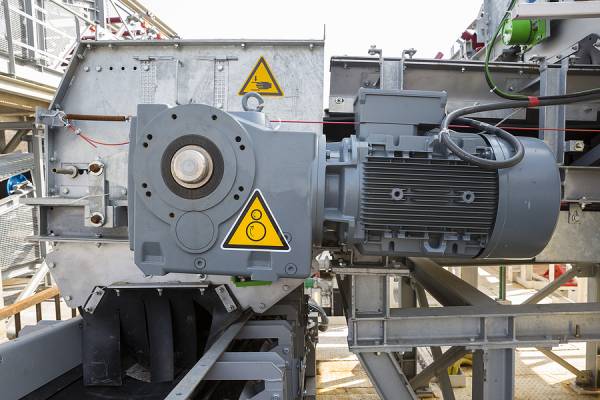
Electric motors are the backbone of countless industrial and commercial operations. Yet, one crucial but often overlooked component determines how well these motors perform in different environments: the motor enclosure. Also known as motor housing or casing, this protective shell plays a pivotal role in shielding internal components from the elements, managing heat, and maintaining safe operation.
Choosing the right motor enclosure is essential to extending motor life, ensuring operational efficiency, and avoiding costly electric motor overhauling, rewinds, or replacements. In this guide, we’ll walk through the most common types of motor enclosures, their advantages and drawbacks, and how to choose the best one for your needs.
Why Motor Enclosures Matter
A motor enclosure does far more than just hold a motor together. Its design directly affects a motor’s performance, durability, and operational safety. Here are the key functions that make motor enclosures indispensable:
1. Protection from Contaminants
The motor housing shields vital components like the stator, rotor, and bearings from environmental threats such as dust, moisture, and mechanical debris. Without this protection, motor contamination will inevitably occur and degrade the equipment’s normal function, reduce efficiency, and significantly shorten the equipment’s lifespan.
2. Thermal Regulation
Electric motors generate heat during operation, and failing to dissipate it efficiently can lead to overheating. The enclosure helps in heat transfer, either through built-in fans, conduction, or external airflow mechanisms, to prevent thermal overload and safeguard the motor’s internal parts.
3. Noise Containment
Some enclosure types also help reduce operational noise by absorbing or dampening vibrations. This is particularly important in noise-sensitive settings like laboratories, offices, or residential buildings.
Common Types of Electric Motor Enclosures
Selecting the right enclosure type ensures your motor functions reliably within the specific demands of your operating environment. Below is a breakdown of common enclosure types and where they perform best.
1. Open Drip Proof (ODP)
ODP motors are designed with ventilation openings that allow air to flow freely through the motor for cooling purposes. These openings are strategically placed to block vertically falling water droplets—hence the term “drip proof.” ODP motors are ideal for clean, dry indoor settings where airborne contaminants are minimal.
Advantages:
- Cost-Effective: Lower material requirements make them more affordable.
- Enhanced Cooling: Open design allows efficient heat dissipation.
- Lightweight Construction: Simpler design results in reduced motor weight.
Disadvantages:
- Limited Environmental Protection: Exposure to moisture, dust, or chemicals can damage the motor.
- Requires Clean Air: Susceptible to contamination in dusty or industrial areas.
Best For: Indoor applications such as workshops, HVAC systems, and general-purpose machinery where air is clean and dry.
2. Open Air Over (OAO)
OAO motors lack internal cooling fans and rely solely on external airflow—typically from the machinery they’re mounted to—for temperature regulation. These motors are compact and ideal for equipment with built-in airflow mechanisms, like fans or blowers.
Advantages:
- Space-Saving Design: Fewer parts make for a smaller footprint.
- Lower Noise Levels: The absence of a fan contributes to quieter operation.
- Reduced Cost: Simpler design means reduced production costs.
Disadvantages:
- Dependent on External Airflow: If airflow stops, the motor may overheat.
- Not for Standalone Use: Must be integrated into an airflow-providing system.
Best For: Fan-driven systems and air-moving applications where constant airflow is guaranteed.
3. Totally Enclosed Fan Cooled (TEFC)
TEFC motors are sealed off from ambient air, with an external fan mounted to the shaft that blows air over the ribbed frame to remove heat. This design makes TEFC motors extremely versatile and robust.
Advantages:
- Excellent Contaminant Protection: Dust, dirt, and light moisture are kept out.
- Longer Lifespan: Internal components are shielded from external exposure.
- Reliable Cooling: Built-in fan ensures steady heat dissipation.
Disadvantages:
- Higher Initial Cost: Enhanced design comes at a premium.
- Larger Footprint: The addition of fans and enclosures increases size and weight.
Best For: Industrial settings with moderate to harsh environmental conditions, such as manufacturing lines, processing plants, and HVAC systems.
Choosing the Right Motor Enclosure
To determine the most appropriate motor enclosure for your operation, ask yourself the following:
1. What is the motor’s primary function?
The application determines thermal loads, duty cycle, and performance expectations. Motors used in conveyors have different demands from those in fans or compressors.
2. What type of motor are you using now?
Consider frame size, voltage, horsepower, and RPM. This ensures compatibility with connected equipment and variable frequency drives (VFDs).
3. What contaminants are present in the environment?
Identify risks such as dust, fibrous particles, chemicals, or debris. For moderate levels, TEFC or WPII may suffice. For aggressive environments, more specialised enclosures are necessary.
4. Is the motor installed outdoors?
Outdoor installations face exposure to rain, UV, and wind-blown debris. Open motors are unsuitable here. Look for sealed or weather-protected types like WPII or TEFC.
In case you still have trouble narrowing down the best option for your motor, it is recommended to consult an electrical engineering company in Singapore that can provide you with tailored advice based on all the relevant factors of your application.
Conclusion
Motor enclosures are not one-size-fits-all. Whether you’re operating in a climate-controlled facility or a harsh outdoor environment, the right enclosure can dramatically enhance the performance, safety, and lifespan of your electric motor. By understanding the features, limitations, and ideal use cases of each enclosure type, you can make an informed decision that safeguards your investment and supports your operational goals.