
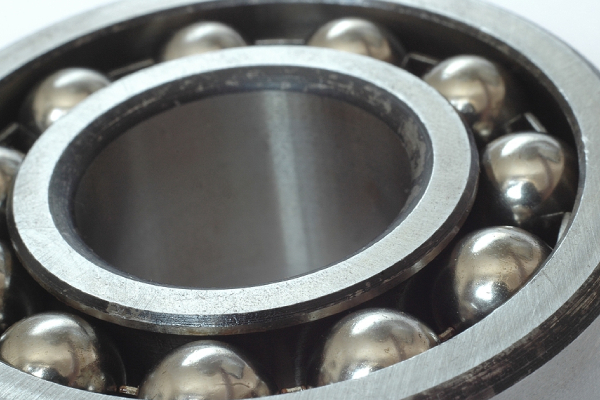
Electric motors are the backbone of countless industrial operations, and their performance heavily depends on the condition of their internal components. Among the most critical of these components are the bearings. Often overlooked, motor bearings are precision-engineered devices that facilitate the smooth rotation of shafts by minimising friction and supporting radial and axial loads. Structurally, they consist of a stationary outer ring, a rotating inner ring, and a series of rolling elements, such as balls or rollers, which reduce wear and energy loss.
While bearings are designed to be durable, they are still subject to failure—often prematurely—when specific conditions or operational missteps are present. Bearings that fail well before their rated service life not only disrupt operations but also lead to substantial downtime and repair costs. Recognising the underlying causes of bearing degradation is the first step toward extending their lifespan and ensuring reliable motor performance.
Read on as we go over the most common culprits behind early bearing failure and outline effective strategies for diagnosis, prevention, and long-term reliability.
Understanding the Root Causes of Bearing Failure
Premature bearing failures are typically avoidable. However, they often occur due to preventable factors such as contamination, improper lubrication, installation errors, or electrical interference. Addressing these issues promptly can significantly reduce the frequency of breakdowns and ensure the longevity of motor assets.
1. Contamination
One of the most common but underestimated causes of bearing failure is contamination. Foreign particles such as dust, dirt, sand, and even microscopic debris can easily find their way into bearing assemblies if proper precautions are not taken. When this occurs, surface damage and corrosion quickly follow, leading to increased friction, wear, and eventual failure.
Bearings are typically equipped with seals designed to block out contaminants. However, these seals can degrade over time or be compromised during maintenance. Technicians must exercise caution when handling bearings by always making sure that the environment is clean and that components remain sealed during installation or inspection.
If contamination is suspected, especially in separable bearings, dismantling the unit for thorough cleaning can prevent further damage. In more advanced stages, replacing the bearing altogether may be more cost-effective than trying to salvage it.
2. Lubrication
Proper lubrication affects bearing performance, given how vital it is in minimising friction and wear. Unfortunately, many bearing issues stem from either insufficient or excessive lubrication. A dry bearing will overheat and degrade quickly, while an over-lubricated one can experience internal pressure build-up or restricted movement, both of which reduce performance and lead to early failure.
To maximise bearing lifespan, it is essential to choose the correct lubricant type and apply it in accordance with the manufacturer’s specifications. Factors such as temperature, load, speed, and environmental conditions should guide lubrication schedules and quantities.
Regular monitoring and preventive lubrication practices are especially important in industries where electric motor overhauling is periodically performed. This ensures that motor components are maintained in peak condition post-repair and that lubrication levels are optimised before reintegrating the motor into operation.
3. Fatigue
Bearings are subject to repeated mechanical stress throughout their lifecycle. Over time, this stress can lead to metal fatigue, specifically spalling or flaking on the bearing surface. This degradation is often the result of exceeding the bearing’s rated load capacity.
To mitigate fatigue-related failures, operators must ensure motors are not being subjected to loads beyond their design specifications. This includes verifying that attached mechanical systems are not placing unexpected stress on the motor. In high-demand applications, upgrading to bearings with higher dynamic and static load ratings can offer longer service life and improved reliability.
4. Improper Installation
Correct installation procedures are critical to ensuring the optimal performance of motor bearings. Misalignments between the shaft and the bearing housing, improper seating, or even the use of inappropriate tools can introduce stress points that manifest as vibration, noise, and uneven load distribution.
To prevent these issues, technicians should use precision alignment tools and follow manufacturer-recommended procedures. It is also advisable to thoroughly inspect bearings prior to installation to avoid introducing defective or damaged components into the system. Proper training and consistent protocols can go a long way in reducing human error and increasing equipment uptime.
5. Electrical Discharge
Another less visible but equally damaging cause of bearing failure involves stray electrical currents. In motor systems, especially those using variable frequency drives (VFDs), electromagnetic interference can cause transient voltages to build up. These voltages seek the path of least resistance, which is often the motor bearings.
Over time, these discharges etch and pit the bearing surfaces, creating damage that appears as small craters under microscopic inspection. While ceramic bearings offer partial resistance to these discharges, they are costly and do not offer a foolproof solution.
As such, there are two highly effective alternatives worth considering:
Shaft Grounding Rings
Shaft grounding rings provide a mechanical pathway for stray electrical energy to be safely discharged to the motor frame, bypassing the bearings entirely. For these rings to function correctly, the shaft must be free of oil, grease, and corrosion. Contamination significantly reduces their effectiveness.
Each motor in a system, such as those in multi-fan arrays, must be fitted with its own grounding ring. Furthermore, grounding rings should be replaced whenever bearings are replaced or the motor is opened for internal servicing. While not permanent, grounding rings are cost-effective and easy to maintain if checked regularly.
Inductive Absorber Technology
A more robust and low-maintenance solution involves inductive absorbers. These components intercept and neutralise common-mode currents and transient voltages before they reach the motor, making them ideal for VFD-driven systems.
Installed between the motor drive and the motor, inductive absorbers eliminate the need for hybrid or ceramic bearings, shaft modifications, or additional mechanical parts. Once installed, they operate silently and require no servicing for the entire lifespan of the motor. Best of all, installation can be done quickly with minimal downtime, making them a highly attractive option for critical systems.
Incorporating these technologies into other systems as part of routine generator maintenance, for example, not only protects the motor bearings of your other equipment but also enhances the overall reliability of the power generation process.
Conclusion
Bearing failures are not inevitable—they are often the result of preventable issues that escalate due to oversight or improper handling. By addressing key failure mechanisms, organisations can significantly reduce the risk of premature bearing failure. Ultimately, the longevity of electric motor bearings hinges not just on the quality of the components, but also on the care and expertise with which they are maintained. Investing in the right practices today ensures a more efficient and reliable system tomorrow.